Quilting has evolved tremendously over the years. What was once primarily a utilitarian craft for making warm bedding has grown into a vibrant art form that combines tradition, creativity, and innovation. Two essential elements in contemporary quilting are the modern quilting fabric and the English paper piecing fabric. Each type of fabric serves distinct purposes, yet both are integral to creating stunning quilts that reflect personal style, technical skill, and artistic vision.
The Rise of Modern Quilting Fabric
Modern quilting fabric has transformed the quilting world. Unlike traditional quilting fabrics, which often feature small-scale floral or geometric patterns in subdued tones, modern quilting fabrics embrace bold colors, striking patterns, and innovative prints. These fabrics are designed not only to serve as materials for quilting but also to inspire creativity and experimentation. They are often made from high-quality cotton, providing durability and ease of handling—essential for both novice and experienced quilters.
One of the most significant aspects of modern quilting fabric is its emphasis on design. Quilters today look for fabrics that allow them to play with contrast, scale, and negative space. This shift toward contemporary aesthetics has opened new avenues for quilters to express themselves through abstract patterns, asymmetry, and graphic motifs. Modern quilting fabric is not just a material; it’s a medium through which stories, emotions, and ideas are expressed.
The Charm of English Paper Piecing Fabric
While modern quilting fabric caters to large-scale and improvisational projects, English paper piecing fabric is revered for its precision and meticulous craftsmanship. English paper piecing (EPP) is a traditional technique that involves wrapping fabric around paper templates and then hand-stitching the pieces together to form intricate patterns. This method allows quilters to achieve shapes and designs that would be difficult to accomplish with machine piecing alone.
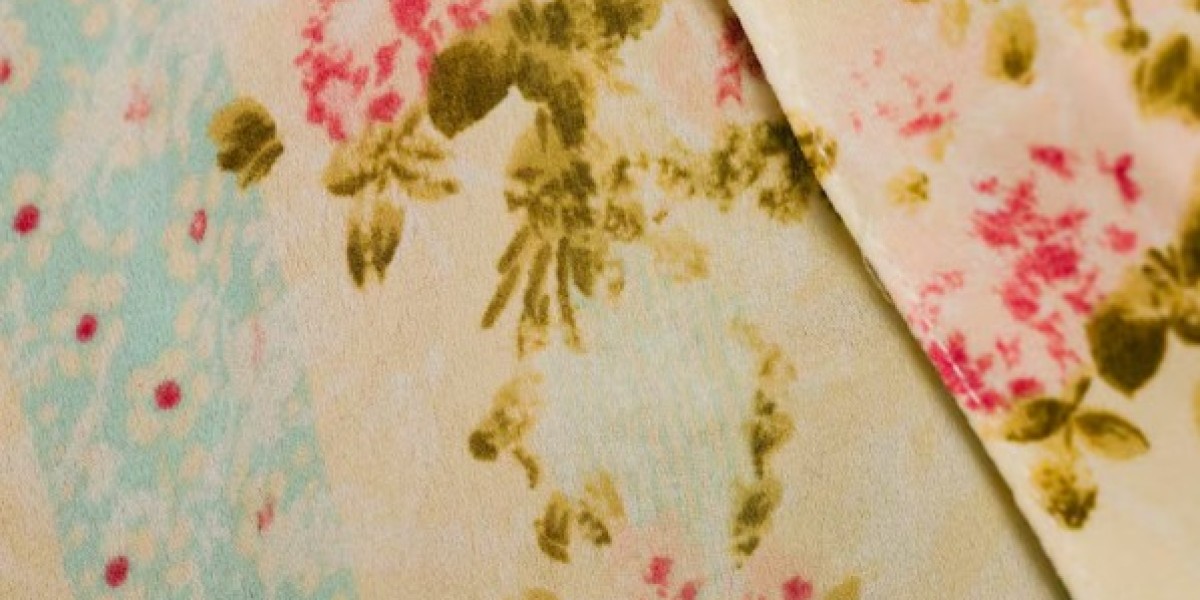
Choosing the right English paper piecing fabric is crucial because the quality of the fabric directly affects the final outcome. Lightweight cotton is often preferred, as it is easy to fold, stitch, and manipulate around paper templates without creating bulk. Fabrics with fine prints or subtle textures work beautifully, giving finished quilts a delicate, refined appearance. Many quilters also select fabrics that complement their modern quilting fabric choices, blending traditional techniques with contemporary color schemes.
Selecting Fabrics for Your Quilt
Whether you are working with modern quilting fabric or English paper piecing fabric, selection is an essential step. For modern quilts, consider fabrics that contrast well with one another. This might mean pairing bold geometric prints with solid colors or using large-scale florals alongside minimalistic patterns. The interplay of textures and tones can create visual interest and make a quilt truly unique.
For English paper piecing, the focus is slightly different. Because EPP designs often rely on precision and repetition, the fabric must be consistent and easy to manipulate. Many quilters create color palettes by combining several complementary fabrics, ensuring that each piece contributes to the overall design. The tactile qualities of the fabric also matter; a soft, pliable cotton makes hand-stitching less strenuous and allows for a smoother, more polished finish.
Combining Modern Quilting Fabric with English Paper Piecing Fabric
One of the most exciting trends in quilting today is combining the boldness of modern quilting fabric with the intricate charm of English paper piecing fabric. This fusion allows quilters to enjoy the best of both worlds: the vibrancy and scale of modern designs, paired with the detailed precision of traditional handwork. For instance, a quilter might use modern quilting fabric for large blocks or background panels while incorporating small, geometric shapes made from English paper piecing fabric for added texture and complexity.
This combination not only enhances the visual appeal of a quilt but also introduces a tactile contrast. The smooth expanses of modern quilting fabric juxtapose beautifully with the slightly raised, hand-stitched elements of English paper piecing. It’s a technique that encourages both creative experimentation and technical skill, making quilting a deeply satisfying endeavor.
Caring for Your Quilting Fabrics
Proper care is crucial to maintain the beauty and longevity of both modern quilting fabric and English paper piecing fabric. Before starting a project, prewashing fabrics is recommended, especially for modern quilting fabrics that may have vibrant dyes. Prewashing helps prevent color bleeding and shrinkage, ensuring that your quilt retains its intended shape and color integrity.
English paper piecing fabrics, being lightweight and often delicate, should also be handled with care. Ironing and pressing can help keep the fabric crisp while stitching, but it’s essential to use the right temperature settings to avoid damage. Once a quilt is finished, gentle washing and air-drying are preferred to maintain the quality of both the modern quilting fabric and the hand-stitched EPP pieces.
Inspiration and Creative Possibilities
The possibilities with modern quilting fabric and English paper piecing fabric are virtually limitless. Modern quilting encourages bold experimentation—think asymmetrical layouts, abstract shapes, or quilts that tell a story through color and contrast. English paper piecing, in contrast, offers a meditative, precise approach where every stitch counts, often resulting in stunning geometric designs such as hexagons, diamonds, or intricate floral motifs.
By exploring both types of fabric, quilters can expand their creative horizons. A quilt might feature a modern patchwork of colorful triangles accented with EPP hexagons in complementary tones. Or, a large-scale modern print might be brought to life with delicate English paper piecing borders that add depth and refinement. The combination allows quilters to merge spontaneity with discipline, resulting in works that are both visually striking and technically impressive.
Conclusion
Quilting is an art that continues to evolve, embracing both tradition and innovation. Modern quilting fabric provides quilters with bold colors, dynamic patterns, and endless opportunities for creative expression, while English paper piecing fabric offers precision, delicacy, and the charm of meticulous handwork. Understanding the unique qualities of each fabric type—and learning to combine them—can elevate a quilting project from ordinary to extraordinary.
Whether you are a beginner drawn to the ease of modern quilting fabric or a seasoned quilter fascinated by the intricate possibilities of English paper piecing fabric, exploring these materials opens doors to endless artistic potential. From vibrant quilts that brighten any room to intricate designs that showcase your dedication and skill, the right fabric choices form the foundation of truly exceptional quilting.
In the ever-growing world of quilting, both modern quilting fabric and English paper piecing fabric have secured their places as essential tools for creativity. By experimenting with patterns, textures, and techniques, quilters can produce pieces that reflect personal style, celebrate tradition, and embrace innovation—all while enjoying the tactile and visual pleasures of high-quality fabric.