
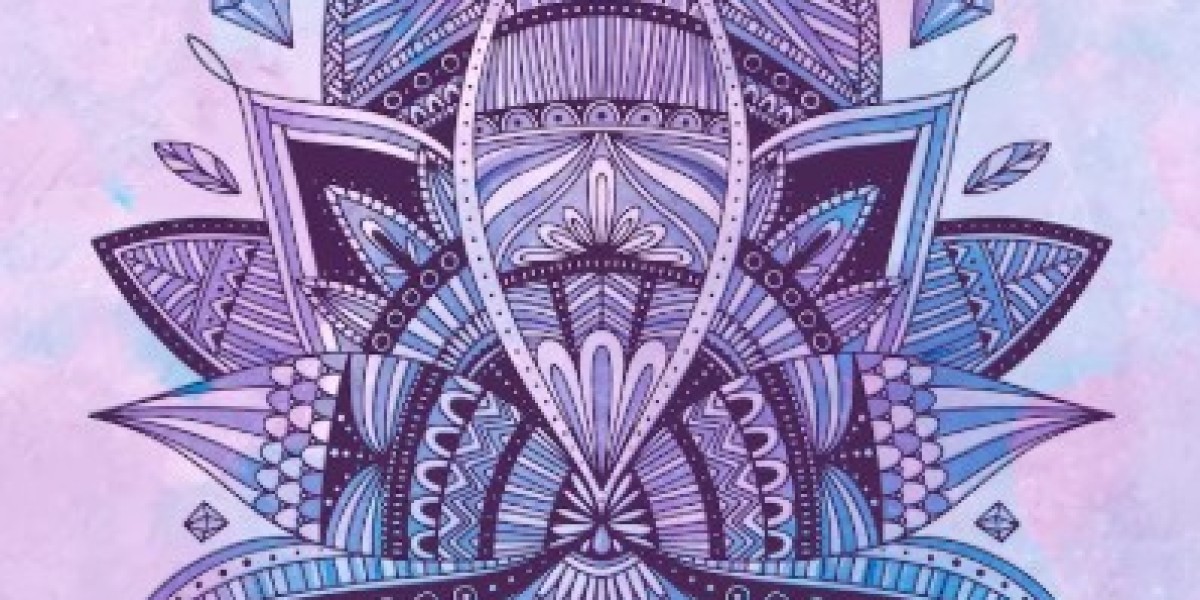
In the world of interior design, few elements can combine beauty, spirituality, and serenity quite like mandala wall art. These intricate, circular designs are more than just decorative pieces—they are symbols of balance, unity, and the infinite nature of life. Whether you are looking to transform your living room, bedroom, office, or meditation space, mandala wall art offers a timeless aesthetic that resonates on both a visual and emotional level.
What is Mandala Wall Art?
The term “mandala” comes from Sanskrit and translates roughly to “circle” or “center.” Mandalas have been used for centuries across cultures, particularly in Hinduism and Buddhism, as spiritual symbols representing the universe, the self, and the interconnectedness of all life. In modern times, these designs have been embraced in art, therapy, and interior decor for their calming and meditative qualities.
Mandala wall art typically features circular patterns radiating from a central point. The symmetry, repetition, and precision of the design draw the viewer’s eye inward, creating a sense of focus and tranquility. Artists may incorporate geometric shapes, floral motifs, or abstract forms, often using vibrant colors or subtle, neutral palettes depending on the intended mood of the space.
Why Choose Mandala Wall Art for Your Home?
- Enhances Aesthetic Appeal
Mandala wall art is visually striking. Its intricate patterns and symmetrical design make it a natural focal point for any room. Whether displayed as a large canvas over a sofa, a framed piece above a bed, or a series of smaller prints along a hallway, mandalas add elegance and artistic depth to your home. - Promotes Calm and Relaxation
One of the unique qualities of mandalas is their association with meditation and mindfulness. Observing or creating mandalas can have a calming effect, reducing stress and promoting mental clarity. When used as wall art, mandalas contribute to a serene environment that encourages relaxation, making them ideal for bedrooms, yoga studios, or personal retreats. - Versatile Design Options
Mandala wall art comes in countless styles, sizes, and colors, allowing it to complement a wide range of interior design themes. From bold, colorful mandalas that energize a space to minimalist, black-and-white designs that enhance a modern aesthetic, there is a mandala for every taste. Materials vary as well, from printed canvases and tapestries to hand-painted wooden or metal designs. - Symbolism and Meaning
Beyond aesthetics, mandalas carry deep symbolic significance. The circular pattern represents wholeness and the cyclical nature of life, while the intricate details often symbolize growth, harmony, and the balance between mind, body, and spirit. Choosing mandala wall art is a way to infuse your space with meaning, not just decoration.
Popular Styles of Mandala Wall Art
Mandala designs vary widely, allowing for creative expression in your home decor. Here are some popular styles:
- Traditional Mandalas: These adhere to classical geometric patterns, often with spiritual or religious significance. They are ideal for meditation spaces or rooms where tranquility is a priority.
- Modern Mandalas: Contemporary mandala art may incorporate abstract shapes, unconventional color schemes, or asymmetrical designs. These pieces blend seamlessly with modern or eclectic interiors.
- Bohemian Mandalas: With vibrant colors and free-flowing patterns, bohemian-style mandalas bring energy and creativity to a space. They are perfect for living rooms, creative studios, or areas where a lively atmosphere is desired.
- Metal and Wooden Mandalas: Carved or laser-cut mandalas in wood or metal provide texture and dimension to walls. These pieces can serve as unique focal points in rustic, industrial, or modern homes.
- Tapestry Mandalas: Large fabric mandalas double as wall art and soft furnishings. They are easy to hang and can add a cozy, inviting atmosphere to any room.
Incorporating Mandala Wall Art in Your Space
When adding mandala wall art to your home, consider the following tips to maximize its impact:
- Choose the Right Size: A large mandala canvas can dominate a room and serve as the centerpiece, while smaller designs are ideal for accent walls or gallery arrangements.
- Consider Color Schemes: Mandala wall art comes in a spectrum of colors. For a calming environment, choose blues, greens, and neutrals. For energy and vibrancy, consider reds, oranges, and yellows.
- Pair with Complementary Decor: Mandalas pair well with natural materials like wood, stone, and plants. Minimalist furniture allows the intricate designs to stand out, while eclectic rooms benefit from layered textures and colors.
- Create a Meditation or Mindfulness Corner: Mandala wall art is perfect for spaces dedicated to meditation, yoga, or personal reflection. Pair with floor cushions, soft lighting, and candles to create a peaceful retreat.
- Mix and Match Styles: Don’t be afraid to combine different types of mandala wall art. A gallery wall of smaller mandalas or a mix of traditional and modern pieces can create a dynamic and visually interesting display.
Benefits of Mandala Art Beyond Decoration
Mandala wall art isn’t just visually appealing—it can also contribute to your well-being in several ways:
- Mindfulness and Meditation: Staring at a mandala or tracing its patterns can enhance focus and mindfulness, similar to the benefits of meditation.
- Creativity Boost: Mandala patterns stimulate creativity by encouraging viewers to appreciate symmetry, color, and form. Some people even create their own mandalas as a form of expressive art therapy.
- Stress Relief: The repetitive, symmetrical nature of mandalas can reduce stress and anxiety, offering a sense of calm in busy or chaotic environments.
Choosing Your Mandala Wall Art
When selecting mandala wall art, consider the following:
- Material: Canvas, wood, metal, or tapestry? Each material brings a different feel to your space.
- Design Complexity: Intricate mandalas invite closer inspection, while simpler patterns offer subtle elegance.
- Color Palette: Harmonize with your existing decor or introduce a bold statement piece.
- Size and Placement: Decide whether the mandala will serve as a focal point or a complementary accent.
Ultimately, the best mandala wall art is one that resonates with you personally, enhancing both your environment and your mood.
Conclusion
Mandala wall art is more than decoration—it is a fusion of artistry, spirituality, and psychological benefit. Its circular symmetry and intricate designs make it a versatile choice for any space, while its symbolic depth adds layers of meaning that elevate the ambiance of a home. Whether used to energize a room, create a serene meditation corner, or simply add visual interest, mandala wall art provides endless possibilities for interior expression.
From traditional spiritual motifs to modern abstract designs, these pieces connect us to a timeless visual language that speaks of balance, unity, and creativity. By thoughtfully incorporating mandala wall art into your home, you can create spaces that are not only beautiful but also nurturing for the mind and soul.