Design plays a meaningful role in how planting containers are selected and applied. The Painted Flower Pot and Plastic Tree Pot reflect different design priorities while sharing a common goal: supporting plants in a manageable and visually acceptable way. Their design features respond to practical requirements rather than decorative excess, making them suitable for a wide range of environments.
Painted flower pots are often chosen for their surface treatment. Paint allows manufacturers to adjust texture, color depth, and finish without altering the base structure. This flexibility supports varied design themes, from minimal indoor spaces to outdoor terraces. The painted layer also helps mask surface wear, which is useful in high-contact environments such as retail displays or shared garden areas.
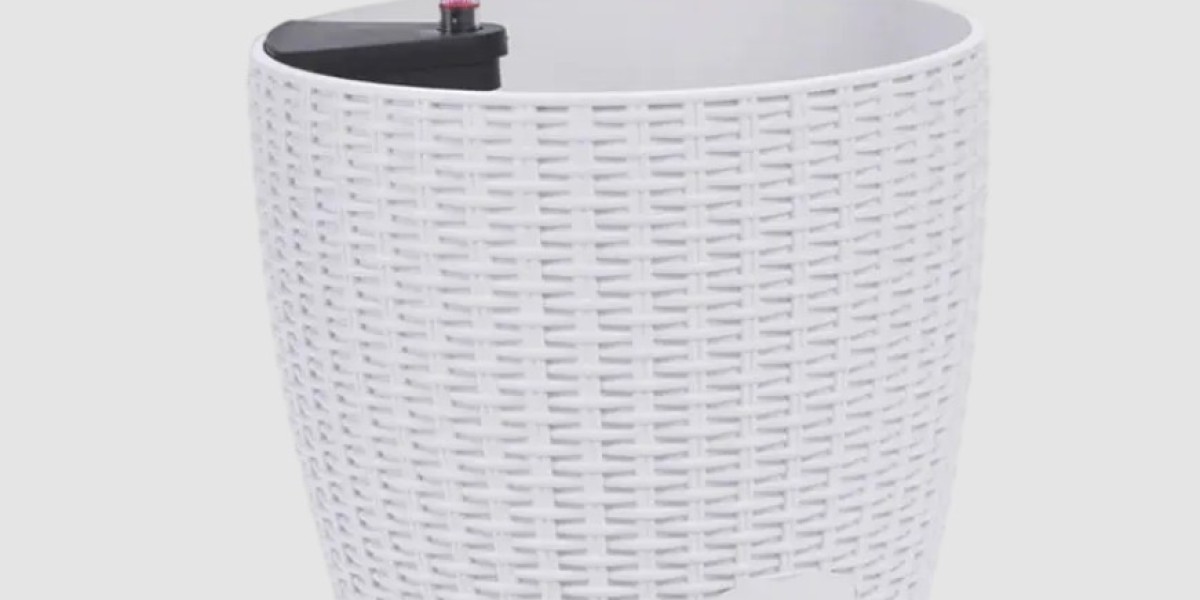
Plastic tree pots are designed with shape and volume as primary considerations. Their form is intended to support root development and maintain stability as plants grow taller. Reinforced bases and evenly distributed walls help reduce deformation caused by soil weight and moisture. These design elements are subtle but directly affect how the pot performs during extended use.
Together, Painted Flower Pot and Plastic Tree Pot products demonstrate how design choices influence usability. Painted pots often prioritize visual integration, while tree pots emphasize internal space and balance. This difference allows users to select containers based on plant type rather than forcing a single solution across all applications.
Edge and rim design also affects handling. Rounded rims improve grip during transport and reduce the risk of damage. Plastic materials allow these details to be molded precisely, ensuring consistency across production batches. For businesses ordering in volume, uniform design simplifies display planning and installation.
Drainage design remains central to both products. Drainage holes are positioned to allow water flow without weakening the pot structure. Some designs incorporate raised bases or internal channels that guide water away from roots. These features support healthier growing conditions without requiring additional accessories.
Color selection trends influence painted flower pot demand. Neutral tones remain common, but muted pastels and textured finishes are increasingly used in lifestyle-focused markets. Plastic tree pots typically maintain simpler color palettes, allowing plants to remain the focal point. This contrast reflects different usage priorities rather than quality distinctions.
Customization also plays a role in project-based applications. Painted Flower Pot and Plastic Tree Pot items can be produced in varied sizes and finishes to match specific requirements. Branding, color adjustments, and size changes are often supported without redesigning the entire structure. This flexibility suits OEM and ODM projects targeting different markets.
Environmental considerations influence design decisions as well. Plastic materials are often selected for their recyclability and long service life. Painted finishes are formulated to adhere effectively, reducing flaking and surface degradation. These factors support reuse rather than short-term display use.
In project settings such as commercial landscaping or temporary exhibitions, design efficiency matters. Containers must be easy to transport, install, and remove. Painted flower pots provide visual appeal for short-term displays, while plastic tree pots support larger plants that define space structure. Their combined use creates balanced environments without unnecessary complication.