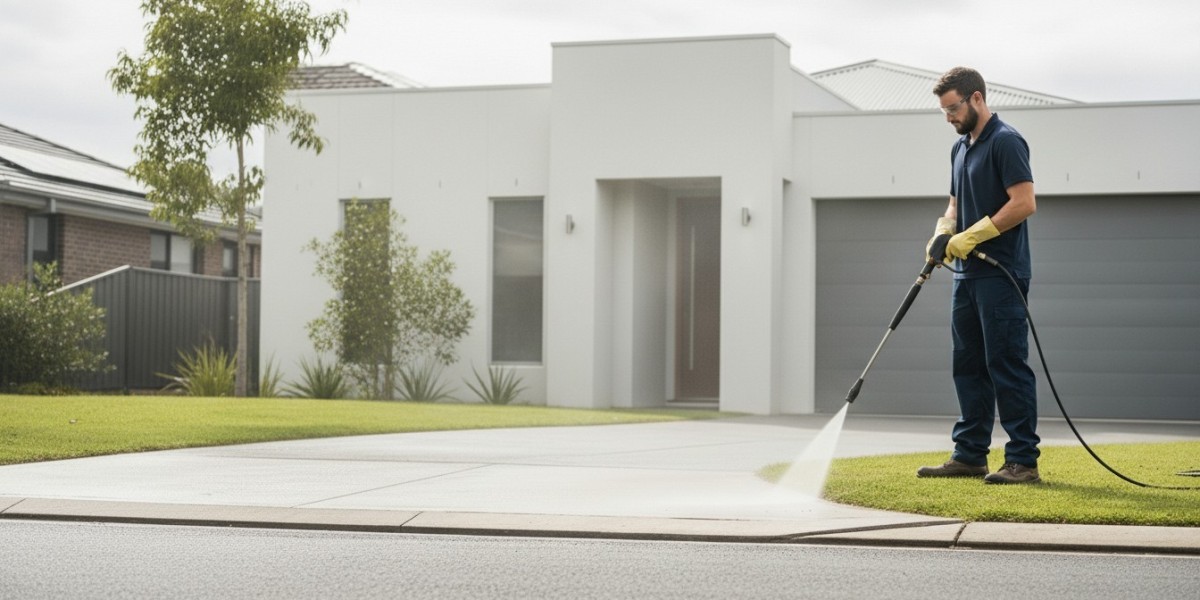
Residential pressure cleaning removes dirt, grime, and contaminants from house exteriors using water and specialized techniques. Homeowners in Sydney benefit from this service to maintain the appearance of their property amid humid weather that promotes mold and algae growth. It tackles buildup on walls, driveways, and patios that regular cleaning misses. Professionals handle the job with equipment that ensures thorough results without damage. Services often include inspection, targeted washing, and final checks.
What Residential Pressure Cleaning Is and What It Is Not
Professionals use this service to refresh house exteriors. It targets buildup that dulls surfaces and can lead to wear. The process combines water flow with controlled force to lift contaminants. It differs from basic housing by using machines that adjust intensity for better outcomes.
This service focuses on exteriors like walls and paths. It does not include interior work or unrelated tasks like painting. It avoids DIY pitfalls by relying on trained teams who assess needs first.
Key Benefits
It enhances looks and prevents issues like slippery paths. Clean surfaces resist weather better, extending material life.
Common Misconceptions
Some think it always uses extreme force, but pros select gentle options for delicate areas. It is not a one-size-fits-all fix; customization matters.
Surfaces Professionals Clean and Where Results Vary
Teams handle various materials around homes. Concrete driveways respond well to strong flows that remove embedded dirt. Pavers need care to avoid shifting joints. Brick walls benefit from even coverage that clears pores without erosion.
Painted walls require lower intensity to preserve coatings. Render surfaces clean up brightly but demand testing to prevent cracks. Weatherboard and vinyl siding shine after treatment, though older versions risk fading if mishandled.
Stone fences and patios lift stains effectively, revealing natural tones. Decks and pathways see improved traction post-clean. Outcomes differ by material age and exposure; newer ones recover faster than weathered ones.
Common Stains and What Causes Them
Dirt and grime build from daily exposure to elements. Mold thrives in damp spots, fed by shade and poor airflow. Algae appears on north-facing walls due to moisture retention.
Mildew forms in humid zones, spreading spores. Moss clings to rough textures in wet areas. Lichen grips tightly on stone, drawing from air pollutants.
Cobwebs collect in corners from insects. Soot settles near roads from exhaust. Traffic film coats driveways from vehicles. Rust stains drip from metal fixtures. Tannins leach from plants onto surfaces. Grease near bins comes from spills. Tyre marks embed on concrete from friction.
High-Pressure vs. Soft Wash: How Pros Decide
High-pressure methods suit tough, non-porous areas like concrete. They use strong streams to blast away heavy buildup. Soft washing applies chemicals gently for delicate spots like painted walls.
Pros decide based on surface type and soiling degree. They test patches to check reactions. Nozzle choice and distance control intensity. Dwell time allows solutions to work before rinsing. Neutralization follows chemical use.
Hybrid approaches blend both for mixed exteriors. Risk control guides choices to prevent etching or intrusion.
Equipment Basics
PSI measures force; higher PSI suits hard surfaces. GPM tracks water volume for efficiency. Surface cleaners speed flat areas. Downstream injectors add solutions safely. Hot water tackles grease; cold water works for general dirt.
Professional Pressure Cleaning Process (Step by Step)
A professional team does not just “blast and go.” We follow a controlled system to get a clean finish while protecting surfaces, plants, and nearby areas.
- Site inspection and plan
We check the surface type, stains, and any risk areas like cracks, loose jointing, painted sections, or slippery algae zones. We choose the safest method (pressure or soft wash) and set the right pressure and nozzle. - Safety setup and protection
We place warning signs, set exclusion zones, and wear PPE. We cover plants, protect nearby walls and fixtures, and seal openings where water should not enter. - Pre-treatment (when required)
For mould, algae, grease, rust, or heavy traffic stains, we apply a suitable cleaning solution and let it dwell. This breaks the bond so less pressure is needed. - Section-by-section washing
We clean in controlled passes, keeping distance and angle consistent to avoid lines, etching, or damage. High-traffic and edge zones get extra attention. - Thorough rinse and residue removal
We rinse carefully to clear loosened soil and any chemical residue, including corners and joints where buildup hides.
Safety and Property Protection
Pros manage slip hazards by cordoning areas. They prevent etching with proper settings. Water intrusion risks drop through sealed entries.
Plant protection uses barriers. Electrical safety involves outlet checks. Ladder risks minimize with stable setups. Pedestrian control keeps bystanders safe.
Trained staff follow protocols for secure operations.
Pressure Cleaning Runoff Control and Environmental Care
Teams control water flow so dirt, grime, and cleaning residue do not spread to other areas. We protect nearby storm drains using drain blocks and other barriers where needed. If the job requires it, we use wastewater capture and safe disposal methods to reduce runoff risk. Cleaning products are used only as directed for minimal environmental impact, and our work follows stormwater protection principles aligned with EPA guidance.
FAQs
- What is the average cost of house pressure cleaning in Sydney?
Around $300-$600, depending on size and extras. Factors like access and soiling adjust it.
- How long does pressure cleaning take?
Typically 2-4 hours for a standard home. Larger properties need more time.
- Is soft washing safer than high-pressure?
Yes for delicate surfaces. It uses chemicals to loosen dirt gently.
- Can pressure cleaning remove mold?
Yes, with proper techniques. Follow CDC mold guidance for safe removal.
- How often should I clean my driveway?
Every 1-2 years. More if heavy traffic causes buildup.
- Does pressure cleaning damage paint?
Not if done correctly. Pros use low settings; see studies on surface damage.
- What is the difference between pressure washing and power washing?
Power washing adds heat for tough grease; both use high flow.
- Are chemicals used in cleaning safe?
Yes, when eco-friendly. Check OSHA safety standards.
- Can I pressure clean my roof?
Only with soft methods. High force risks tiles; explore biofilm removal research.
- How do I prepare my home?
Move items away. Close windows; learn more at our preparation tips.