In optical inspection and polarization analysis, precision is everything. If your testing system produces inconsistent angle measurements or unclear interference patterns, the issue may lie in your detection optics. Standard lenses cannot accurately capture angular light distribution, which leads to incomplete data and unreliable results.
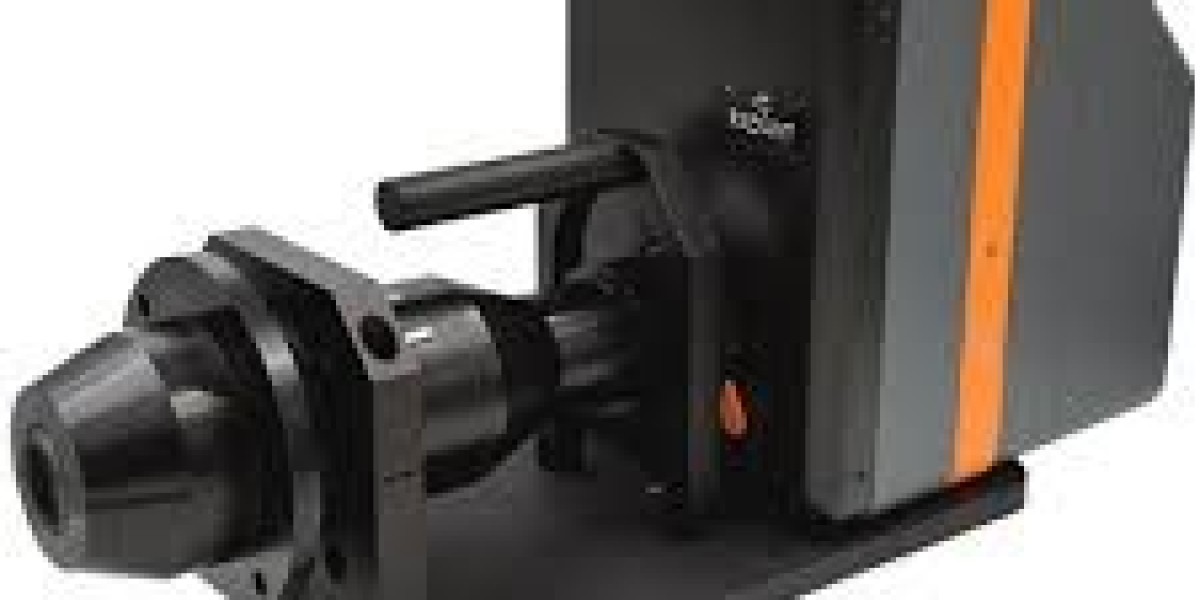
This is where a conoscope lens becomes essential. Designed specifically for angle-resolved measurement and polarization analysis, it helps engineers and researchers observe conoscopic images with high accuracy.
Why Traditional Lenses Fail in Angle Measurement
Limited Angular Capture
Conventional imaging lenses are built for spatial imaging, not angular distribution. They focus on object shape rather than the direction of incoming light. This makes them unsuitable for applications like birefringence testing or LCD panel analysis.
Incomplete Polarization Analysis
Without proper angular mapping, polarization characteristics cannot be fully analyzed. This results in inaccurate evaluation of optical materials and display panels.
Poor Data Accuracy in Testing Systems
Measurement errors often occur when light direction and intensity distribution are not precisely recorded. This affects quality control in manufacturing and laboratory research.
How Conoscope Lens Improves Optical Testing
Accurate Angular Distribution Imaging
A high-quality conoscope lens is specifically engineered to convert angular light information into a measurable image. This allows accurate observation of interference figures and polarization patterns.
Enhanced Polarization and Birefringence Testing
In crystal analysis and LCD inspection, conoscope optics help visualize optical axis alignment and stress distribution. Engineers can detect irregularities more efficiently.
High Optical Clarity and Precision Design
Conoscope lenses are manufactured with strict surface quality and flatness control. This ensures minimal distortion and reliable measurement results across the visible spectrum.
Key Applications of Conoscope Lens
LCD and Display Panel Inspection
Display manufacturers use conoscope systems to analyze viewing angle performance, brightness uniformity, and polarization characteristics. This ensures consistent image quality in monitors and AR/VR displays.
Optical Material Testing
In laboratories, researchers evaluate birefringent materials using conoscopic imaging techniques. The lens helps reveal internal stress patterns and crystal orientation.
Semiconductor and Precision Engineering
In high-tech manufacturing, accurate angle measurement is critical. Conoscope lenses support quality assurance processes where angular light behavior must be precisely recorded.
Scientific Research and Education
Universities and research institutions use conoscope optics to study polarization phenomena, interference patterns, and optical anisotropy.
Important Factors When Choosing a Conoscope Lens
Angular Resolution – Higher resolution provides more detailed measurement results.
Material Quality – Optical-grade glass ensures high transmission and durability.
Surface Accuracy – Scratch-dig specifications affect measurement clarity.
Coating Options – Anti-reflective coatings improve light efficiency.
System Compatibility – Ensure proper integration with your detection equipment.
Selecting the correct lens design ensures reliable and repeatable testing performance.
Benefits for Manufacturers and Engineers
Improved Quality Control
Accurate angular analysis reduces product defects and ensures display consistency.
Higher Measurement Reliability
Precision optics deliver stable and repeatable data for research and industrial testing.
Better Product Development
With clear visualization of polarization and stress patterns, engineers can optimize designs before mass production.
Conclusion
Inaccurate angle measurement and incomplete polarization analysis can disrupt optical testing and manufacturing processes. Standard imaging lenses are not designed to handle angular light distribution, leading to unreliable results.
A precision conoscope lens provides accurate angular imaging, improved polarization analysis, and high optical clarity. Whether in display panel inspection, crystal analysis, or advanced research, this specialized detection lens ensures dependable performance.
Investing in high-quality conoscope optics enhances measurement accuracy, strengthens quality control, and supports innovation in modern optical engineering.