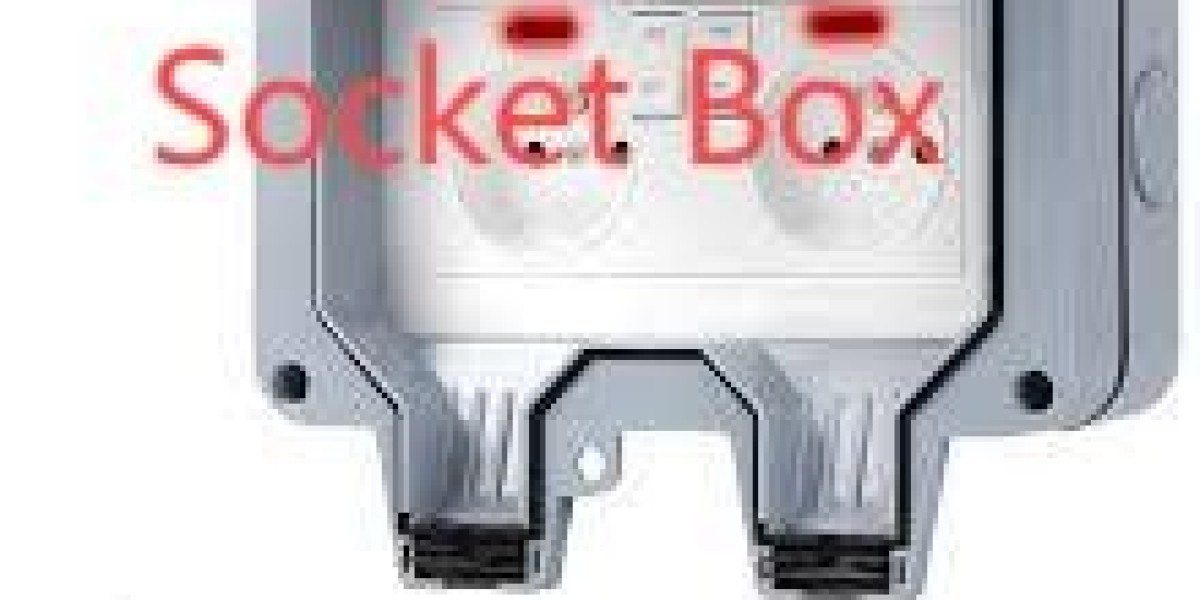
In modern construction sites, gardens, marinas, and industrial yards, the Outdoor Socket Box plays a crucial role in delivering safe and convenient electricity, and selecting the right Outdoor Socket Box can significantly reduce hazards caused by rain, dust, and accidental impact. By positioning this essential equipment strategically across exterior spaces, facility managers ensure dependable access to power while maintaining high safety standards and operational efficiency.
Environmental Protection and Structural Durability
Exterior electrical systems face constant exposure to environmental stressors. Rainfall, UV radiation, wind-driven dust, and fluctuating temperatures all threaten electrical integrity. A properly engineered enclosure must resist water ingress, prevent corrosion, and maintain structural strength even after years of outdoor use.
High-quality polymer housings often provide excellent resistance to rust and chemical exposure, while reinforced designs improve impact tolerance. Sealed covers and tight-fitting gaskets prevent moisture intrusion when sockets are not in use. Additionally, UV-stabilized materials help maintain color and structural stability under prolonged sunlight exposure. These protective characteristics collectively extend product lifespan and minimize maintenance frequency.
Safety Standards and Compliance Requirements
Safety remains the foremost priority in any outdoor electrical installation. Compliance with recognized international standards ensures that equipment performs reliably under specified conditions. Protective devices such as residual current devices (RCDs) reduce the risk of electric shock, especially in wet conditions. Lockable covers prevent unauthorized access, particularly in public or semi-public environments.
Clear labeling and proper grounding procedures are equally critical. Installers must ensure that each connection is secure and correctly rated for expected loads. Overcurrent protection devices must match the application’s requirements to avoid nuisance tripping or unsafe overheating. Thorough commissioning and documentation provide an additional layer of security by confirming correct installation before operation begins.
Installation Planning and Best Practices
Strategic placement improves both functionality and safety. Units should be mounted at appropriate heights to prevent water pooling and accidental contact. Avoid positioning near areas prone to flooding unless additional elevation or drainage measures are implemented. Secure mounting hardware reduces vibration-related stress, especially in industrial environments with heavy machinery.
Cable routing deserves careful consideration. Proper strain relief prevents undue tension on internal terminals. Weather-resistant cable glands protect entry points from water penetration. During installation, technicians should verify gasket alignment and ensure covers close tightly to maintain environmental protection.
Routine inspection schedules help detect wear before it becomes critical. Checking seals, tightening screws, and testing protective devices at regular intervals contribute to long-term reliability.
Nante Outdoor Socket Box Design Advantages
Manufacturers such as Nante emphasize durability, modularity, and user-friendly features in their exterior power solutions. Thoughtful internal layouts simplify wiring, while removable panels support efficient servicing. High-impact housings withstand mechanical stress common in construction and industrial settings.
In addition, attention to ergonomic design enhances usability. Smooth-opening covers, clearly marked outlets, and intuitive breaker arrangements allow quick operation without compromising safety. By integrating both protection and convenience, these systems support a wide range of applications, from temporary job sites to permanent outdoor installations.
Applications Across Industries
Outdoor power access is essential in diverse sectors. Landscaping professionals rely on reliable sockets for tools and irrigation systems. Marina operators require safe electrical supply for dock equipment. Event organizers depend on exterior distribution points for lighting, audio systems, and catering services. Industrial yards often need weather-resistant outlets for maintenance equipment and temporary machinery.
Each application presents unique environmental and operational challenges. Selecting appropriate enclosure ratings and internal configurations ensures compatibility with specific site demands. Organizations that standardize their exterior power infrastructure benefit from simplified maintenance procedures and consistent safety performance across locations.
Long-Term Value and Operational Efficiency
Investing in durable exterior electrical equipment reduces lifecycle costs. Fewer replacements, less downtime, and improved safety records contribute to measurable financial benefits. Furthermore, reliable power access enhances productivity by minimizing disruptions caused by faulty or unsafe outlets.
Lifecycle planning should include periodic performance reviews and upgrades when technology advances. Monitoring trends in energy efficiency and protective device innovation allows facilities to modernize systems while maintaining compliance with evolving standards.
Conclusion and Product Resources
A dependable exterior power solution enhances safety, durability, and operational continuity in challenging environments. By combining robust materials, proper installation practices, and consistent maintenance routines, organizations can ensure reliable electrical access outdoors for years to come. For detailed specifications and available configurations, please visithttps://www.nante.com/product/