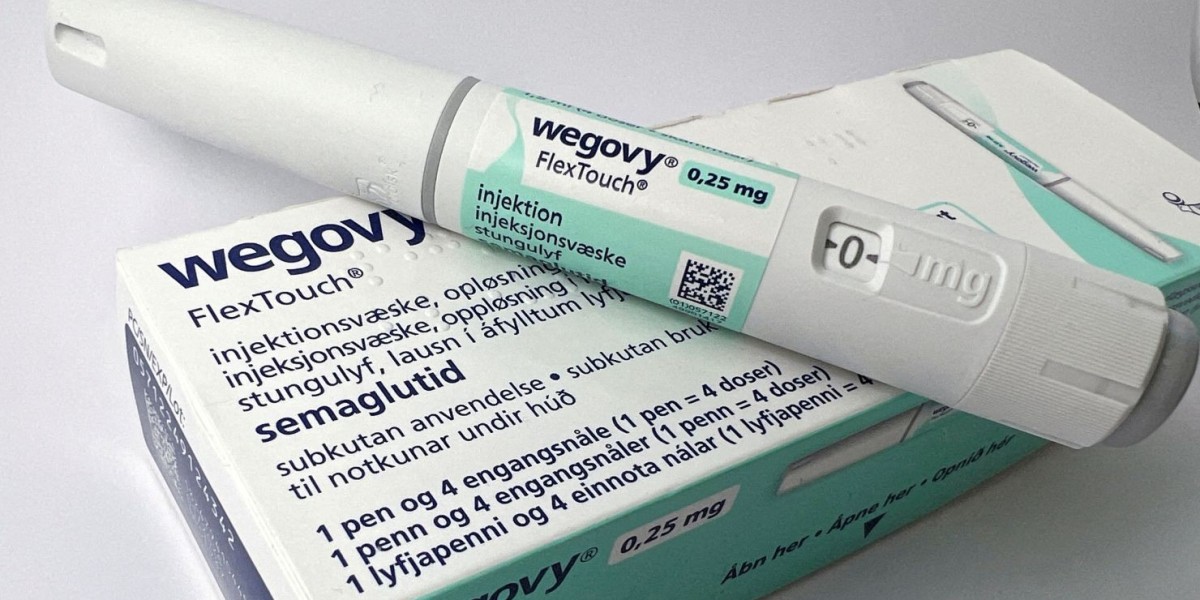
When people in the USA search for Wegovy for weight loss, one of the most common concerns is: “Is Wegovy safe for long-term use?”
If you’re considering this FDA-approved weight management injection, it’s completely normal to think beyond just rapid weight loss. You want to know what happens after 6 months… 1 year… or even longer.
In this in-depth guide, we’ll break down how Wegovy (semaglutide) works, its long-term safety profile, potential risks, medical expert opinions, and what you should realistically expect if you stay on treatment for an extended period.
What Is Wegovy and Why Is It Prescribed?
Wegovy is a prescription injectable medication approved by the U.S. Food and Drug Administration (FDA) for chronic weight management. It contains semaglutide, a GLP-1 receptor agonist that:
Reduces appetite
Slows stomach emptying
Helps control blood sugar
Supports sustainable calorie reduction
Unlike short-term “diet pills,” Wegovy is designed specifically for long-term obesity treatment, not just temporary weight loss.
Doctors typically prescribe it for:
Adults with a BMI of 30+ (obesity)
Adults with BMI 27+ with weight-related conditions like high blood pressure or type 2 diabetes
Adolescents (in approved cases)
How Does Wegovy Work Over Time?
Wegovy mimics a hormone called GLP-1 (glucagon-like peptide-1). This hormone signals to your brain that you’re full, which reduces hunger and cravings.
Over time, consistent weekly injections help:
Lower overall calorie intake naturally
Improve metabolic markers
Reduce visceral fat
Improve insulin sensitivity
Because obesity is considered a chronic disease, many medical professionals treat it similarly to conditions like high blood pressure — meaning long-term therapy may be necessary.
What Do Clinical Studies Say About Long-Term Safety?
Several major clinical trials (STEP trials) evaluated semaglutide for up to 68 weeks and beyond. Results showed:
Average weight loss of 12–15% of body weight
Sustained weight reduction during continued use
Improvements in cardiovascular risk factors
Recently, long-term data suggests that continued use helps maintain weight loss, while stopping treatment often leads to weight regain.
That tells us something important:
Wegovy is not a “quick fix.” It works best as part of an ongoing strategy.
Common Side Effects (Short & Long Term)
Like any medication, Wegovy comes with potential side effects. Most are mild and temporary, especially during dose escalation.
Common Side Effects:
Nausea
Vomiting
Diarrhea
Constipation
Bloating
These typically improve after your body adjusts.
Less Common but Serious Risks:
Pancreatitis
Gallbladder issues
Kidney complications (rare)
Thyroid tumor warning (based on animal studies)
Doctors carefully screen patients before prescribing Wegovy to reduce these risks.
Is Wegovy Safe for Years of Use?
Based on current evidence, Wegovy appears safe for long-term use under medical supervision.
However, safety depends on:
Proper dosage escalation
Regular monitoring
Managing side effects early
Not ignoring warning symptoms
Obesity specialists generally agree that long-term treatment is often necessary to prevent weight regain.
If you stop taking semaglutide injections abruptly without lifestyle adjustments, weight regain is common.
What Happens If You Stop Taking Wegovy?
Studies show that most patients regain some or all of their lost weight after discontinuation.
Why?
Because:
Appetite returns
Hunger hormones normalize
Metabolic rate adapts
This reinforces the idea that obesity treatment is long-term. Many experts compare it to blood pressure medication — when you stop, the condition returns.
Cardiovascular Safety & Heart Health
Recent research suggests that semaglutide may reduce the risk of cardiovascular events in people with obesity and heart disease.
That’s a major benefit.
Weight loss alone improves:
Blood pressure
Cholesterol
Insulin resistance
Adding GLP-1 medication may amplify these benefits.
Who Should Avoid Wegovy?
Wegovy is not recommended for:
People with personal or family history of medullary thyroid carcinoma
Those with MEN 2 syndrome
Pregnant or breastfeeding women
Individuals with severe gastrointestinal disease
Always consult a licensed healthcare provider before starting treatment.
Is Wegovy Addictive or Habit-Forming?
No. Wegovy is not addictive.
It works hormonally, not neurologically like stimulant weight loss drugs. There is no dependency effect, but your body may respond differently once you stop — mainly through appetite changes.
Long-Term Benefits Beyond Weight Loss
People using Wegovy long term often experience:
Better mobility
Improved energy
Reduced joint pain
Improved sleep apnea
Lower diabetes risk
Weight loss of even 5–10% of body weight can significantly reduce health risks.
With semaglutide injections, many patients exceed that threshold.
Realistic Expectations for Long-Term Success
If you’re considering Wegovy in the USA, understand this clearly:
It works best when combined with:
Balanced nutrition
Resistance training
Adequate protein intake
Behavioral support
Medication alone is powerful, but sustainable results require habit change.
Expert Insight: Is Wegovy a Forever Medication?
Some patients may use it long term. Others may taper off once lifestyle habits are solid.
Doctors now increasingly view obesity as a chronic condition requiring long-term management.
The decision to stay on Wegovy should be personalized and guided by:
Health goals
Side effect tolerance
Cardiometabolic improvements
Cost and insurance coverage
Final Verdict: Is Wegovy Safe Long Term?
Based on current medical evidence, Wegovy appears safe for long-term weight management when prescribed and monitored properly.
It is:
✔ FDA-approved
✔ Clinically studied
✔ Backed by long-term trial data
✔ Considered safe under supervision
However, it’s not a magic injection.
It requires commitment, monitoring, and realistic expectations.
If you’re exploring weight loss options in the United States and considering Wegovy or other semaglutide-based treatments, speak with a qualified healthcare provider to evaluate your personal risk factors.