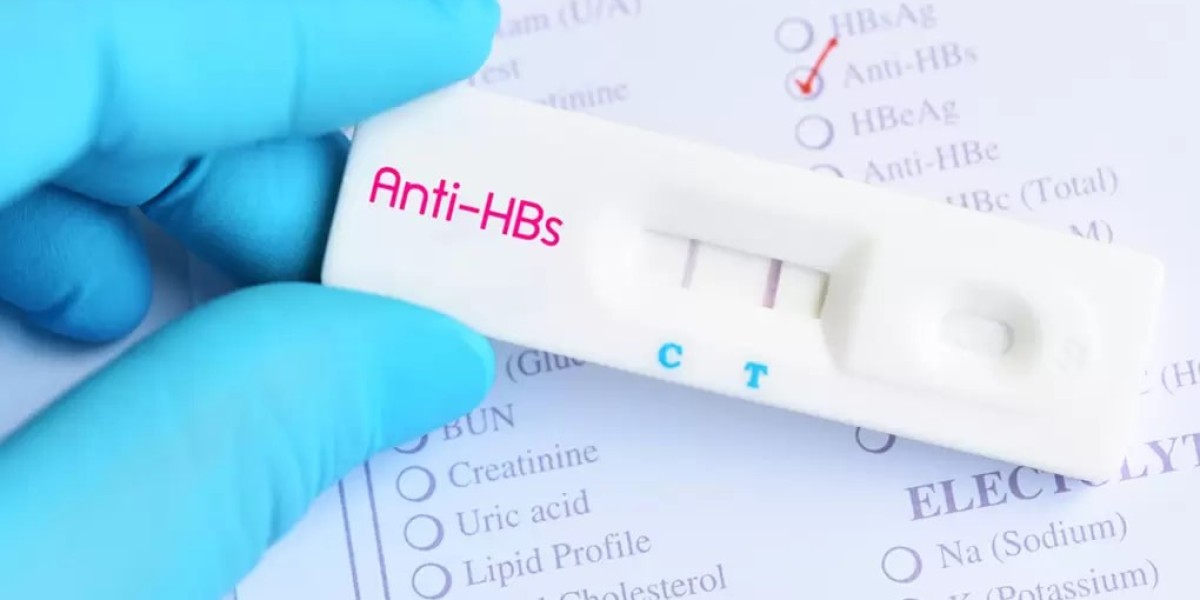
Hepatitis B is a dangerous viral infection that can lead to severe liver complications, including cirrhosis and liver cancer. Vaccination is one of the most effective preventive measures against this disease. However, ensuring lifelong immunity requires not only vaccination but also regular monitoring through Anti-HBs testing. This blog will explore the importance of Hepatitis B vaccination, the role of Anti-HBs testing, and how these measures contribute to lifelong immunity against Hepatitis B.
Understanding Hepatitis B and Its Risks
Hepatitis B is caused by the Hepatitis B virus (HBV), which primarily affects the liver. The virus spreads through contact with infected blood or bodily fluids, including unprotected sex, sharing needles, or from mother to child during childbirth. If left untreated, Hepatitis B can lead to chronic infection, cirrhosis, liver failure, and even liver cancer.
What makes Hepatitis B particularly dangerous is that many individuals with the infection may not show symptoms initially. This allows the virus to silently damage the liver over time, leading to severe long-term health consequences. Early detection and prevention through vaccination are essential to avoid these risks.
The Hepatitis B Vaccine: A Lifesaver
The Hepatitis B vaccine is a highly effective preventive measure against the virus. It is recommended for everyone, especially those at risk of exposure, such as healthcare workers, people who inject drugs, and individuals with multiple sexual partners. The vaccine works by stimulating the immune system to produce antibodies against the Hepatitis B virus, providing immunity without causing the disease.
The vaccine is typically administered in a series of three doses, with the first dose given at birth or shortly after, followed by two more doses over the next several months. In most cases, the vaccine provides lifelong protection against Hepatitis B. However, the effectiveness of the vaccine may vary in certain individuals, and this is where Anti-HBs testing comes into play.
How the Hepatitis B Vaccine Works
When you receive the Hepatitis B vaccine, your body starts producing antibodies (Anti-HBs) against the Hepatitis B virus. These antibodies help prevent the virus from infecting the liver and causing disease. The vaccine essentially prepares the immune system to recognize and fight the virus if exposed in the future.
After receiving the full series of doses, most individuals will develop immunity, meaning their immune system can produce a sufficient number of Anti-HBs. However, immunity can decrease over time, and some individuals may not respond fully to the vaccine. This is why monitoring through Anti-HBs testing is crucial, especially for those who are at continued risk of exposure.
The Importance of Anti-HBs Testing
Anti-HBs testing is a blood test that measures the level of antibodies against the Hepatitis B virus in your bloodstream. If you’ve been vaccinated, the presence of Anti-HBs indicates that your immune system has successfully responded to the vaccine and is protected against the virus.
There are several reasons why Anti-HBs testing is important:
- Confirmation of Immunity: The test confirms whether you have developed adequate immunity following vaccination.
- Monitoring Immunity Levels: Over time, the level of Anti-HBs may decrease. Testing helps determine if additional booster shots are needed to maintain immunity.
- Prevention of Hepatitis B: The test helps identify whether you are still at risk of Hepatitis B, especially for individuals with weakened immune systems, older adults, or those at high risk.
Getting an Anti-HBs test after completing the vaccination series can provide peace of mind, ensuring that you are protected against the virus. If the test shows low or undetectable levels of antibodies, a booster dose of the vaccine may be required.
Who Should Get an Anti-HBs Test?
Anti-HBs testing is recommended for the following groups of people:
- Healthcare Workers: Given their exposure to infected blood and bodily fluids, healthcare workers should ensure they are fully vaccinated and have immunity against Hepatitis B.
- High-Risk Individuals: People who engage in high-risk behaviors, such as intravenous drug users or individuals with multiple sexual partners, should get tested to confirm immunity.
- Infants Born to Infected Mothers: Babies born to mothers who are Hepatitis B positive should receive the vaccine and undergo Anti-HBs testing to confirm that they are protected from the virus.
- People with Weakened Immune Systems: Individuals with compromised immune systems, such as those undergoing chemotherapy or taking immunosuppressive medications, should regularly monitor their immunity against Hepatitis B.
In addition to these high-risk groups, anyone who has received the Hepatitis B vaccine can opt for Anti-HBs testing for confirmation of immunity.
What Happens if You Don’t Have Adequate Anti-HBs Levels?
If your Anti-HBs levels are low or undetectable after vaccination, it means that your immune system did not respond adequately to the vaccine, or immunity may have waned over time. This can occur in certain individuals due to factors like age, health conditions, or improper vaccine administration.
In such cases, your doctor may recommend a booster shot to increase your immunity. If you have not been vaccinated or if your immunity is insufficient, further vaccination may be necessary.
Booking Your Anti-HBs Test from Chughtai Lab via InstaCare and Getting 20% Discount
If you're concerned about your immunity against Hepatitis B or want to confirm your protection, getting an Anti-HBs test is the next step. Book your Anti-HBs test from Chughtai Lab through InstaCare and get a 20% discount. This convenient service ensures accurate results and helps you take the necessary steps to protect your liver health.
Conclusion
Hepatitis B is a serious viral infection that can lead to long-term liver damage if not prevented or treated properly. Vaccination is the most effective way to protect yourself from the virus, but ensuring lifelong immunity requires monitoring through Anti-HBs testing. By confirming your immunity, you can take proactive steps to maintain your health and prevent the spread of Hepatitis B. Stay safe, get vaccinated, and keep track of your immunity levels through regular testing.
Frequently Asked Questions (FAQs)
- What is the Anti-HBs test? The Anti-HBs test measures the level of antibodies produced in response to the Hepatitis B vaccine. It confirms whether you have immunity against the Hepatitis B virus.
- How long does immunity last after Hepatitis B vaccination? For most people, Hepatitis B vaccination provides lifelong immunity. However, immunity levels may decrease over time, especially in certain individuals, which is why Anti-HBs testing is important.
- Can I get Hepatitis B if I have been vaccinated? While the Hepatitis B vaccine is highly effective, there is a small chance that some individuals may not develop immunity. Anti-HBs testing can confirm whether you are fully protected, and a booster dose may be needed if immunity is low.