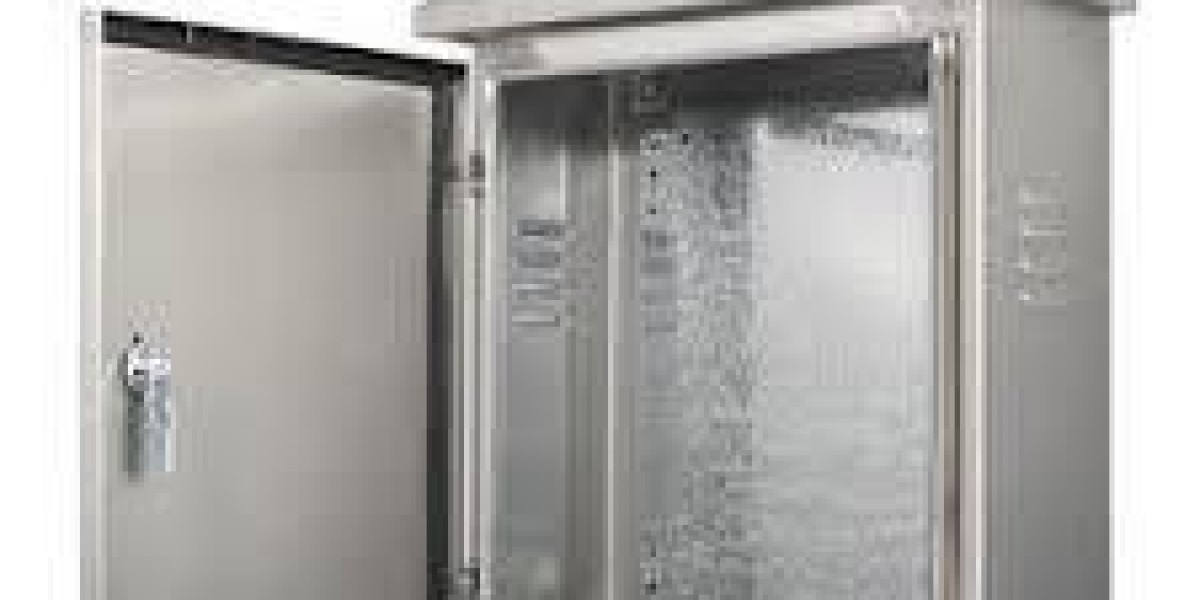
In many outdoor and washdown environments, a properly specified Weatherproof db box provides a centralized protection point that keeps circuits dry, organized, and safe from environmental hazards. Facilities that invest time in selecting the right enclosure see fewer service calls, faster troubleshooting, and clearer audit trails when incidents occur.
Design fundamentals: materials, layout, and access
A high-quality enclosure begins with material choices that match the environment: UV-stable polymers or powder-coated metals for coastal exposure, and impact-resistant composites where mechanical abuse is possible. Internal layout matters as much as the shell — thoughtful spacing between incoming and outgoing conductors, clear circuit labeling, and accessible mounting for breakers or RCDs speed maintenance. Doors and covers should use captive fasteners or tamper-resistant hardware to reduce the risk of lost parts and to preserve ingress seals during routine service.
Mounting and installation best practices
Mechanical mounting is a frequent source of long-term failure when installers cut corners. Choose mounting points that avoid direct spray or puddling and that minimize vibration. Use washers or reinforced mounting pads where panels carry heavy loads, and follow torque specifications on all fasteners to prevent distortion of sealing faces. When retrofitting onto uneven surfaces, consider backing plates or shims to maintain a consistent compression around gaskets, which is essential to preserve rated ingress protection over time.
Sealing strategies and ingress protection testing
Ingress Protection (IP) ratings are shorthand for expected resistance to dust and water, but they don’t tell the whole story. Look for validated test reports showing performance after thermal cycling, UV exposure, and mechanical shock. Design choices such as raised cable entry points, integrated drip lips, and recessed fasteners reduce opportunities for water pooling. Replaceable gaskets and predictable compression mechanisms are superior to permanent bond seals, because they allow maintenance teams to restore protection affordably after many years of service.
Integration with control systems and Schneider compatibility
When a distribution box will interface with automation hardware, consider mechanical and electrical compatibility early. Standardized cutouts, removable mounting rails, and modular DIN-rail pockets make it much easier to fit circuit protection and control modules from major vendors. Providing CAD models and panel templates to integrators decreases commissioning delays. For sites using widely adopted control equipment from established suppliers, documenting pinouts and grounding arrangements prevents costly rewiring and unexpected nuisance trips.
Maintenance planning, spares, and environmental responsibility
A pragmatic maintenance program identifies high-wear consumables (gaskets, gland seals, external covers) and keeps a minimal spare set for rapid swaps. Schedule periodic visual inspections and functional tests after extreme weather or seasonal transitions, and include thermal scanning for systems carrying sustained loads. Design for disassembly so metal contacts and electronic modules can be recovered and recycled at end-of-life. Choosing recyclable materials and separable assemblies supports environmental goals and often simplifies compliance with regional waste directives.
Conclusion — specifying for resilience and clarity
A thoughtfully selected and correctly installed weatherproof distribution enclosure protects personnel, preserves uptime, and reduces lifetime costs through easier serviceability and validated performance. Prioritizing proven sealing methods, proper mechanical mounting, and documented integration with control systems prevents common field failures and streamlines operations. For manufacturer resources, product guidance, and further reading, visit https://www.nante.com