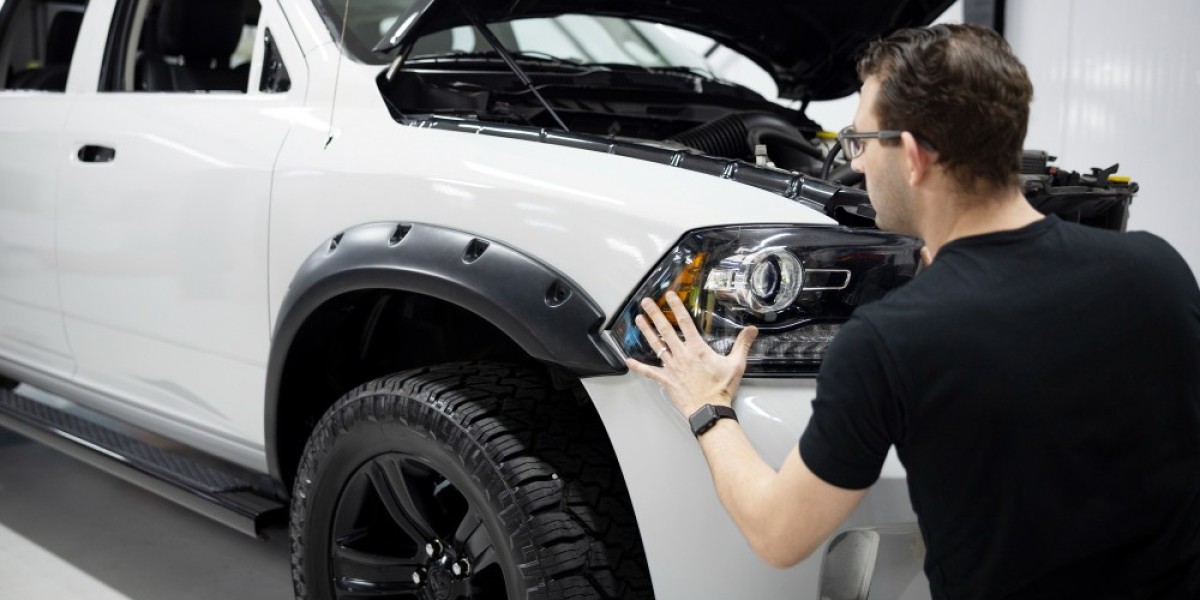
Understanding the common mistakes people make during repairs can help you protect your vehicle’s appearance and avoid costly professional fixes later.
Why Proper Dent and Scratch Removal Matters
Your car’s paint and body panels are not just cosmetic—they provide protection against rust, corrosion, and environmental damage. Poor repair techniques can weaken the surface, cause uneven finishes, or expose the metal underneath.
Mistakes during repair may lead to:
Paint peeling
Visible surface imperfections
Increased rust formation
Reduced resale value
Taking the right approach ensures your vehicle maintains its original look and long-term durability.
Mistake #1: Using the Wrong Tools
One of the most common errors in DIY dent removal is using inappropriate tools. Items like metal rods, screwdrivers, or hard objects can damage the paint or create additional dents.
Always use automotive-specific dent repair kits designed for safe application. These tools are created to apply even pressure without harming surrounding areas.
Mistake #2: Skipping Surface Cleaning
Repairing dents or scratches on a dirty surface can trap debris beneath the paint or filler. This often results in uneven finishes and long-term damage.
Before starting any repair, thoroughly clean and dry the affected area. Removing dirt and grease ensures better adhesion for touch-up paint or repair compounds.
Mistake #3: Over-Sanding the Surface
Sanding is necessary for scratch repair, but excessive sanding can remove more paint than intended. This exposes primer or bare metal, increasing the risk of rust.
Use fine-grit sandpaper and apply light pressure. Gradual sanding helps maintain the integrity of the surrounding paint layer.
Mistake #4: Ignoring Paint Matching
Applying mismatched paint is a noticeable mistake that affects your car’s appearance. Even slight color differences can make repaired areas stand out.
Always match the paint to your vehicle’s factory color code. Testing the paint on a small, hidden area can help ensure consistency before full application.
Mistake #5: Applying Too Much Filler
When repairing dents, using excessive filler can create uneven surfaces or visible bulges. This often leads to cracking or peeling over time.
Apply filler in thin layers and allow each layer to dry completely before adding more. Proper shaping ensures a smooth, professional finish.
Mistake #6: Skipping the Clear Coat
Some DIY repairs focus only on color application and neglect the clear coat. Without this protective layer, the paint is vulnerable to UV rays, moisture, and dirt.
A clear coat adds shine and durability, helping the repaired area blend seamlessly with the rest of the vehicle.
Mistake #7: Rushing the Process
Allowing paint, filler, or repair compounds insufficient drying time can lead to smudging, bubbling, or peeling.
Patience is essential. Follow recommended drying times for each step to achieve the best results.
When to Seek Professional Help
DIY methods work well for minor cosmetic issues, but professional repair is recommended for:
Deep dents
Large scratches
Paint damage exposing metal
Damage near edges or curves
Professional technicians use advanced tools and techniques to restore your car’s appearance safely and effectively.
Tips for Preventing Future Damage
While repairs are sometimes necessary, prevention helps reduce their frequency:
Park away from crowded areas
Maintain safe driving distances
Wash your car regularly
Apply protective coatings
These small steps can minimize dents and scratches over time.
Conclusion
Dent and scratch removal requires precision, patience, and the right tools. Avoiding common mistakes such as over-sanding, mismatched paint, or skipping protective layers can make a significant difference in the final result.
Whether you choose a DIY approach or professional repair, understanding proper techniques helps preserve your vehicle’s appearance and value. Investing time in careful repairs today ensures your car remains in excellent condition for years to come.