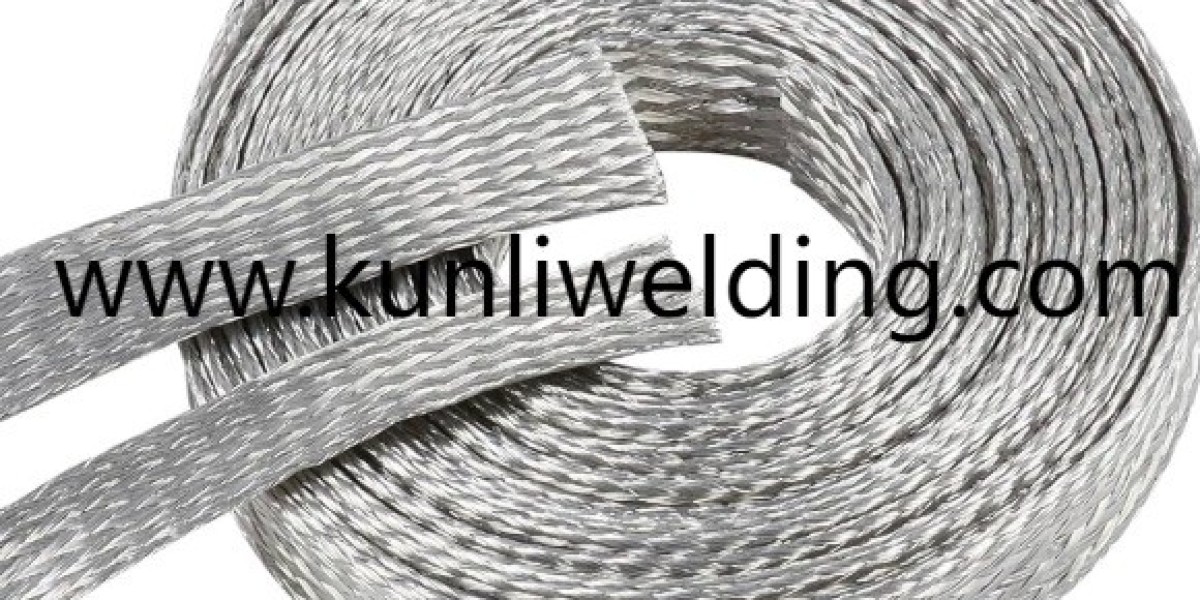
Durable outdoor electrical runs require both a reliable conductor and robust protection against impact and wear. Many installers compare catalogs and test samples from China Aluminum Alloy Wire Manufacturers to confirm armor construction and conductor specs. Armored Aluminum Alloy Wire combines a protective layer with a lighter conductor core, offering a useful option for exposed outdoor installations.
Armored cable may feature a continuous metal sheath, interlocked armor, or a heavy polymer jacket over the conductor. The armor protects against mechanical damage, impacts, and rodents, which reduces the chance of conductor exposure and subsequent electrical faults. For runs to external fixtures, pump houses, or shed power supplies, armor improves resilience compared with plain cable.
Selecting the right cable starts with specifying the intended use. For buried installations, use assemblies rated for direct burial or run the cable inside rated conduit. For exposed runs that face UV and weather, choose armor that resists corrosion and select insulating jackets designed to prevent degradation under sunlight. Confirm local code requirements for burial depth and protection.
Termination is critical for armored cable. Seals and glands at entry points maintain moisture exclusion and protect terminations from corrosion. Use listed armor clamps and connectors that bond armor to enclosures where required by code. Maintain continuous armor continuity or use approved grounding clamps if the armor is part of the grounding path.
Inside the armor, Aluminum Alloy Wire requires properly rated terminals. Use lugs and connectors that are compatible with aluminum conductors and follow manufacturer torque recommendations. Avoid improvising with mismatched hardware that can loosen or cause galvanic action between dissimilar metals. Proper torque and correct washers extend service life.
Plan routing and support carefully. Secure cable at regular intervals to avoid sag and to reduce stress at connection points. Avoid sharp bends and protect entries through walls with bushings or sleeves. Use support straps sized for the cable and place them at code-specified spacing for the cable diameter and weight.
Inspection and maintenance help ensure long service life. Periodically check armor for dents, cuts, or corrosion. Inspect seals and cable glands after storms or heavy wear events. Replace any damaged sections promptly and reseal junctions to keep moisture out of the system. Document findings and repairs to build a maintenance history.
Consider environmental risks such as animal activity, freezing and thaw cycles, and UV exposure. Armor reduces some risks, but the full assembly must be chosen for the prevailing local conditions. For coastal installations, select materials with higher corrosion resistance or add sacrificial protection in vulnerable locations.
Installation best practices include using proper grounding, following local electrical code, and securing permits when required. Armored assemblies often require specific handling and connectors to meet code and to maintain safety. Train personnel on correct termination techniques so that workmanship is consistent across installations.
Mechanical protection does not remove the need to size conductors correctly. Calculate voltage drop for long runs and pick a conductor gauge that keeps voltage within device tolerances. For long outdoor runs, slight increases in gauge can prevent performance issues and reduce heating under load. Use manufacturer tables to confirm ampacity for your chosen conductor and installation method.
When working with armored Aluminum Alloy Wire near water or in damp areas, consider extra sealing techniques and choose materials that minimize electrochemical interactions. Use isolating washers or bushings when fasteners could contact dissimilar metals, and apply corrosion inhibitors on exposed metallic surfaces where appropriate.
If you plan to bury armored cable, follow local depth and protection rules. In some cases, a shallow burial with rigid conduit gives better long-term protection than bare burial. Mark buried runs clearly and document their locations for future excavation to avoid accidental damage. Install warning tape above buried runs to assist future digging.
For installations that must survive harsh environments, combine armored cable with protective routing, solid connectors, and a maintenance schedule. Training installers on correct termination techniques reduces the chance of failures. Finally, document the installation with photos and notes that list the cable type, contractor, and date; that record supports maintenance and warranty claims.
For product selection, specification sheets, and supplier support that help match armored Aluminum Alloy Wire to an outdoor installation, check supplier product pages. One supplier that lists detailed product data and installation notes is Kunli, and their product information can be found at https://www.kunliwelding.com/product/ .