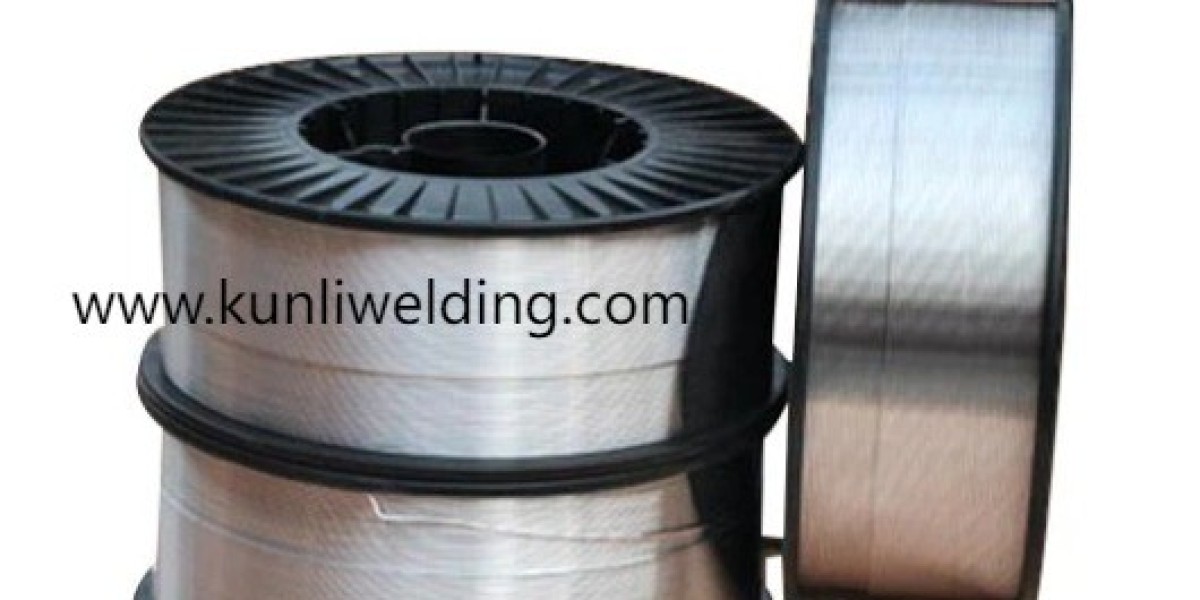
Base metal composition governs filler material selection in aluminum MIG welding because incompatible combinations create metallurgical issues that compromise joint integrity and performance. Engineers developing welding procedures must understand how different aluminum alloy families respond to various filler materials to avoid strength mismatches, cracking problems, and corrosion vulnerabilities that improper selection causes. Aluminum MIG Wire Manufacturers produce diverse compositions specifically because aluminum encompasses multiple alloy systems, each requiring compatible filler materials that address their unique welding challenges and service requirements throughout fabricated structure lifetimes.
The thousand series pure aluminum alloys contain minimal alloying elements, making them highly formable and corrosion resistant but relatively soft. Welding these alloys typically employs matching composition filler that maintains their corrosion characteristics while providing adequate strength for their generally non structural applications. The lack of substantial alloying elements simplifies welding compared to higher strength families, though these materials see limited use in structural fabrication where strength requirements exceed what pure aluminum provides.
Two thousand series aluminum copper alloys achieve high strength through heat treatment but present significant welding challenges due to crack sensitivity and reduced corrosion resistance in welded zones. These alloys typically avoid fusion welding when possible, though when welding becomes necessary, specialized procedures and careful filler selection become critical. The copper content creates hot cracking susceptibility requiring crack resistant silicon bearing fillers that sacrifice some strength for weldability. Welded joints in these materials typically remain weaker than base metal, and corrosion protection becomes essential because welding disrupts the protective characteristics heat treatment provides.
Three thousand series manganese aluminum alloys offer moderate strength with good corrosion resistance, finding applications in architectural and general fabrication where their balanced properties suit diverse requirements. Filler selection typically matches base metal composition or employs slightly higher strength alternatives from compatible alloy families. These materials weld readily without the crack sensitivity that copper bearing alloys exhibit, making them forgiving for general fabrication applications.
Five thousand series magnesium aluminum alloys represent the most commonly welded non heat treatable family, offering good strength, corrosion resistance, and weldability across varied applications from marine structures to transportation equipment. Aluminum Mig Wire for these alloys typically contains magnesium levels matching or slightly exceeding base metal content to ensure adequate joint strength. Different magnesium concentrations within the five thousand series require corresponding filler adjustments, with higher magnesium base metals demanding higher magnesium fillers to prevent strength undermatching that creates weak joints.
Six thousand series magnesium silicon alloys combine good formability with heat treatment strengthening, making them popular for architectural extrusions and automotive structures. Welding these materials creates challenges because the heat affected zone loses strength from thermal cycle effects, and selecting appropriate filler becomes critical. Silicon bearing crack resistant fillers often prove necessary despite their moderate strength because six thousand series alloys exhibit hot cracking tendencies with purely magnesium fillers. The strength loss in heat affected zones typically governs joint capacity regardless of filler strength, making crack resistance and weldability higher priorities than maximum filler strength.
Seven thousand series zinc aluminum alloys achieve the highest strengths through heat treatment but present severe welding difficulties including extreme crack sensitivity and stress corrosion cracking susceptibility. These alloys generally avoid fusion welding, employing mechanical fastening or adhesive bonding instead. When welding becomes unavoidable, specialized crack resistant fillers and rigorous procedure controls become necessary, though welded joints remain significantly weaker than base metal and vulnerable to environmental degradation.
Dissimilar alloy combinations complicate filler selection because the chosen material must bridge metallurgical differences between unlike base metals while avoiding cracking and maintaining adequate corrosion resistance. Silicon bearing fillers generally provide the safest approach for dissimilar combinations because their eutectic solidification characteristics tolerate the complex thermal stresses that compositional mismatches create. The filler composition should ideally fall between the two base metals in the galvanic series to minimize preferential corrosion at weld zones.
Strength matching considerations require selecting filler that does not create weak zones where joints fail below design loads. Matching filler strength to the weaker base metal prevents joints from becoming limiting factors in structural capacity. Overmatching excessively creates rigid joints that may concentrate stress rather than distributing it, potentially causing base metal failure adjacent to welds rather than through the joint itself.
Crack resistance often takes priority over strength when joining crack sensitive alloys because cracked welds provide no structural value regardless of potential strength. Silicon bearing compositions sacrifice some strength for dramatically improved crack resistance, making them appropriate when base metals exhibit hot cracking tendencies that magnesium fillers cannot successfully address.
Corrosion compatibility ensures weld zones do not become preferential attack sites that degrade prematurely compared to surrounding base material. Galvanic potential differences between filler and base metals create corrosion cells in electrolyte presence, making composition matching important for applications facing environmental exposure. Marine structures, chemical processing equipment, and outdoor installations all require careful attention to corrosion implications of filler selection.
Process considerations including arc characteristics, feeding reliability, and ease of achieving acceptable results influence practical filler choices beyond purely metallurgical factors. Some compositions weld more easily than others, making them preferable when operator skill levels vary or production conditions create challenges.
Understanding how base metal alloy family affects filler selection enables systematic material choices supporting successful fabrication across aluminum's diverse alloy range. Comprehensive filler selection guidance addressing varied aluminum alloy combinations is available at https://kunliwelding.psce.pw/8p6qbl supporting welding engineers and process developers.