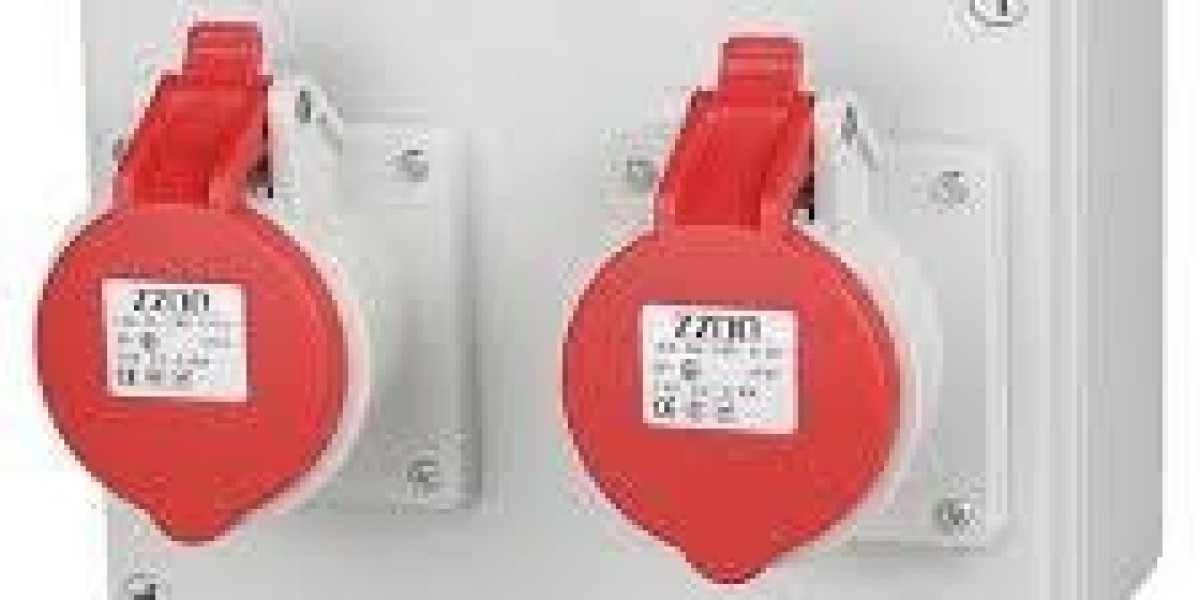
Selecting the right exterior power enclosure can prevent costly rework and safety issues, which is why many specifiers place a Electrical Socket Box in primary service locations to centralize outlets and simplify sealing, and why project teams may locate a second Electrical Socket Box near maintenance access points to separate power and lighting circuits for safer, faster service. This opening placement strategy reduces cable runs and makes scheduled inspections more straightforward. Below we unpack environmental profiling, materials and sealing strategies, mounting and cable-entry best practices, vendor module options, and maintenance planning so facilities, contractors, and designers can make informed choices that last.
Environmental profiling: match the unit to site conditions
Begin with a careful survey of the intended mounting location. Note direct exposure to rain or sprinkler spray, potential for pooling water, likelihood of salt-laden air near coasts, dust load from nearby operations, and the local UV index. Each factor influences the ingress protection (IP) target, preferred materials, and gasket type. For example, coastal sites benefit from corrosion-resistant alloys or corrosion-tolerant polymers and marine-grade fasteners, while dusty industrial yards may prioritize double-lip seals and cable glands rated for particulate ingress. Provide these details to suppliers so that laboratory testing can mirror real-world stresses.
Materials, gaskets, and thermal management
Choice of housing material affects durability, weight, and thermal behavior. UV-stabilized thermoplastics like polycarbonate or glass-filled nylon resist fading and corrosion while keeping mass low. Powder-coated steel or stainless steel enclosures offer improved impact resistance and heat dissipation but require attention to coating quality and edge protection. Gasket geometry plays a major role: continuous molded gaskets reduce leak points, closed-cell foam resists moisture migration, and gland seals prevent capillary wicking at cable entries. If the enclosure will host transformers, drivers, or power supplies, ensure adequate internal spacing, heat sinking, or passive vents to avoid thermal derating of breakers and protective devices.
Mounting, cable entries, and installation discipline
Even excellent hardware can fail from poor installation. Prepare mounting surfaces by removing loose paint and debris so gaskets seat flat. Use manufacturer-specified torque values for lid fasteners — under-torquing invites leaks, while over-torquing can deform seals. Select cable glands that match conductor insulation diameters and environmental ratings; consider conduit transitions with sealed boots for extra protection. Provide strain relief to prevent motion at terminals, and clearly label incoming and outgoing circuits to prevent miswiring. If hoisting is required, use certified lifting points and follow safe lifting procedures to avoid mechanical damage.
Nante Product Modules and Accessories
Vendors that offer modular panels, pre-wired terminal plates, and accessory kits simplify field work and reduce errors. Modular insert systems allow different outlet types, surge protective modules, or control interfaces to be swapped without rewiring the entire enclosure. Accessory kits with captive lid screws, lockable covers, and foam sealing inserts speed installations and reduce the need for on-site modifications that could compromise the seal. When evaluating suppliers, request CAD models, spare-part lists, and interchangeability documentation to streamline procurement and spare management.
Testing, certification, and maintenance planning
Insist on documented test reports that align with your site threats: IP ingress testing, UV aging, salt spray corrosion tests, thermal cycle exposure, and mechanical impact assessments where appropriate. For critical or long-lived installations, require sample units and perform a short field acceptance — a spray test plus thermal soak with powered electronics reveals many issues that lab-only testing can miss. Establish a maintenance routine that includes visual inspection of seals, annual gasket replacement in severe environments, torque checks on accessible fasteners, and functional testing of ground-fault protection. Track maintenance events by serial number to detect recurring wear patterns and address root causes.
Procurement checklist and operational tips
When procuring, gather dimensional drawings, mounting templates, and wiring diagrams to validate fit and cable routing before shipment. Standardize connector types where possible to reduce spare inventories and minimize training needs. Use color-coded circuit identification and durable labels so non-specialist crews can perform safe, repeatable maintenance. For remote sites, consider humidity indicators or small environmental sensors to provide early warning of seal degradation.
Choosing a robust enclosure for outdoor outlets is a systems decision that combines accurate environmental assessment, appropriate materials and sealing, disciplined installation, and predictable maintenance. Teams that coordinate procurement, design, and operations up front avoid many common pitfalls and achieve longer service life with fewer emergency repairs. For an authoritative overview and additional product details, seehttps://www.nante.com/news/industry-news/what-is-a-socket-box.html