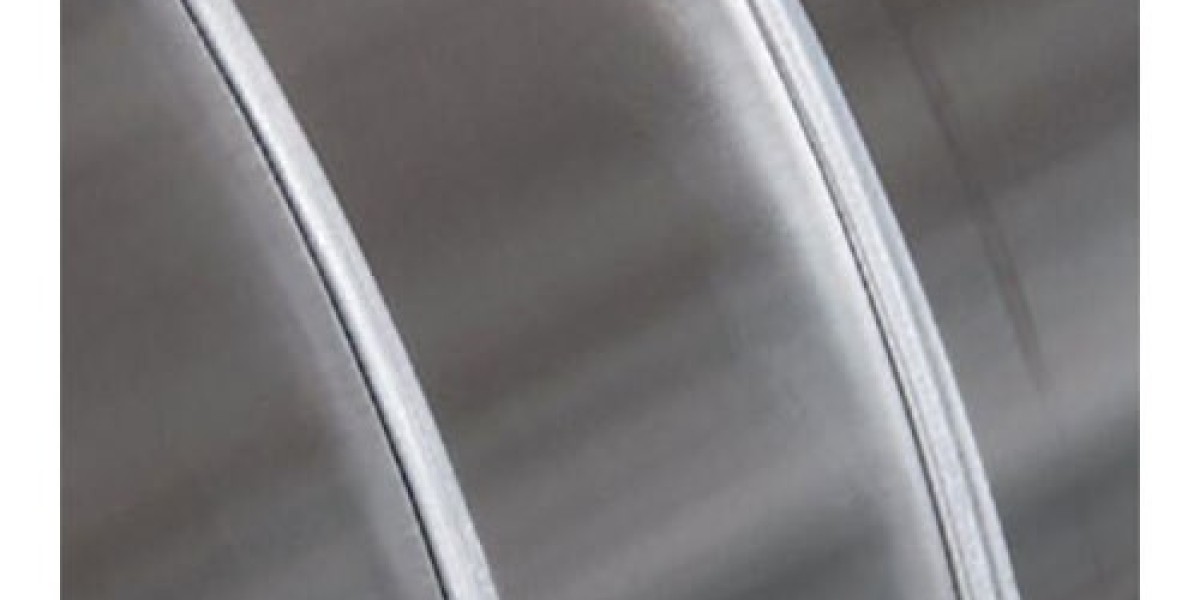
A Lithium Strip is a thin piece of lithium metal commonly used in laboratories, battery research, and industrial applications. Lithium is known as the lightest metal on the periodic table, and it has exceptional chemical and electrochemical properties. Because of its high energy density and reactivity, lithium plays a major role in modern technologies such as rechargeable batteries, electric vehicles, and renewable energy storage systems.
Today, lithium-based materials are essential for powering smartphones, laptops, electric cars, and many other electronic devices. Scientists and engineers often use lithium strips in research and development to study chemical reactions and develop more efficient energy storage technologies. Understanding the properties and applications of lithium strips helps industries improve performance, safety, and innovation in energy systems.
This article explains the meaning, properties, uses, advantages, and safety considerations of lithium strips, while also addressing common questions related to this important material.
What Is a Lithium Strip?
A lithium strip is a narrow, thin section of lithium metal typically cut from a larger lithium sheet or block. Lithium is extremely soft and can easily be shaped into strips, wires, or small pieces. Because of this flexibility, lithium strips are widely used in scientific experiments where precise amounts of lithium are required.
Lithium strips are usually stored in mineral oil or inert environments to prevent them from reacting with air or moisture. When lithium comes into contact with water or oxygen, it reacts quickly and may produce heat or hydrogen gas. Therefore, proper storage and handling are essential when working with lithium strips.
These strips are commonly used in:
Chemical laboratories
Battery testing and research
Electrochemical studies
Material science experiments
Industrial manufacturing processes
Key Properties of Lithium Strip
Lithium strips possess several unique properties that make them extremely useful in modern technology and scientific research.
Lightweight Metal
Lithium is the lightest solid metal, with a very low density compared to other metals. This property makes lithium-based materials ideal for applications where weight reduction is important, such as portable electronics and electric vehicles.
High Reactivity
Lithium is a highly reactive metal. It reacts easily with water, oxygen, and nitrogen. This reactivity makes lithium strips valuable in chemical synthesis and laboratory experiments.
Soft and Malleable Structure
Lithium metal is soft enough to be cut with a knife. Because of this property, lithium strips can be produced in various sizes and shapes to suit different experimental needs.
Excellent Electrochemical Performance
Lithium has a high electrochemical potential, which makes it one of the best materials for energy storage applications. This is why lithium is widely used in rechargeable batteries.
How Lithium Strips Are Manufactured
The manufacturing process of lithium strips involves several important steps to ensure purity and quality.
Extraction of Lithium
Lithium is extracted from natural resources such as brine deposits and mineral ores like spodumene. These sources contain lithium compounds that can be processed to produce lithium metal.
Purification
After extraction, lithium undergoes a purification process to remove impurities. High-purity lithium is essential for laboratory and industrial applications.
Formation of Lithium Metal
The purified lithium is melted and shaped into rods or sheets.
Cutting into Strips
The lithium sheets are carefully cut into thin strips using specialized tools or machines.
Safe Storage
Finally, lithium strips are stored in oil-filled containers or vacuum-sealed packages to prevent oxidation and contamination.
Major Applications of Lithium Strip
Lithium strips are used in many industries and research fields due to their unique chemical properties.
Battery Development
One of the most important uses of lithium strips is in battery research and development. Lithium metal is often used as an electrode material in experiments designed to improve battery performance.
Lithium batteries are used in:
Smartphones
Laptops
Electric vehicles
Renewable energy storage systems
Lithium strips help scientists develop safer and more efficient batteries.
Chemical Reactions and Organic Synthesis
Lithium strips are widely used in laboratories to produce organolithium compounds, which are important reagents in organic chemistry. These compounds are used to synthesize pharmaceuticals, polymers, and advanced materials.
Electrochemical Experiments
Researchers use lithium strips to study electrochemical processes in energy storage systems. These studies help scientists understand how batteries charge, discharge, and store energy.
Material Science Research
Lithium strips are also used in research involving new materials and advanced technologies. Scientists analyze lithium behavior to design improved battery systems and energy devices.
Advantages of Lithium Strip
Lithium strips provide several benefits in research and industrial applications.
High Energy Density
Lithium has one of the highest energy densities among metals, making it ideal for compact and powerful energy storage solutions.
Accurate Measurement
Lithium strips allow researchers to use precise amounts of lithium in experiments.
Versatile Applications
They can be used in many scientific fields, including chemistry, physics, and engineering.
Supports Green Technology
Lithium-based energy systems help support renewable energy solutions and reduce reliance on fossil fuels.
Safety Considerations When Handling Lithium Strip
Because lithium is highly reactive, it must be handled carefully.
Proper Storage
Lithium strips should always be stored in mineral oil or sealed containers to avoid exposure to air and moisture.
Avoid Contact with Water
Lithium reacts violently with water and may cause fire hazards.
Use Protective Equipment
Researchers should wear:
Safety gloves
Protective goggles
Lab coats
Work in Controlled Environments
Lithium experiments should be conducted in well-ventilated laboratories with proper safety protocols.
Frequently Asked Questions
What is a lithium strip used for?
Lithium strips are mainly used in chemical laboratories, battery research, electrochemical experiments, and material science studies.
Why is lithium stored in oil?
Lithium reacts quickly with air and moisture. Storing it in mineral oil prevents oxidation and keeps the metal stable.
Are lithium strips used in battery technology?
Yes, lithium strips are widely used in battery research as electrode materials to develop advanced lithium-based batteries.
Is lithium strip dangerous?
Lithium can be hazardous if handled incorrectly because it reacts strongly with water and oxygen. Proper safety procedures are necessary.
Which industries use lithium strips?
Lithium strips are used in industries such as chemical manufacturing, energy technology, academic research, and battery development.
Conclusion
Lithium strips play a vital role in modern scientific research and technological development. Their lightweight nature, high reactivity, and excellent electrochemical properties make them an essential material in battery development, chemical synthesis, and energy storage research. As industries continue to focus on renewable energy and advanced electronic devices, lithium-based materials will remain highly valuable.
From laboratory experiments to cutting-edge battery technologies, lithium strips support innovation in multiple scientific fields. Proper handling and storage ensure safe usage while maximizing their potential benefits in research and industry.