In the world of precision engineering, the smallest component often carries the heaviest burden. I have seen countless high-performance engines ruined simply because a single rubber belt reached its thermal limit unexpectedly.
When you manage a fleet or a distribution line, you cannot afford a sudden mechanical breakdown. The synchronicity between the crankshaft and camshaft is absolute; any deviation leads to catastrophic internal engine collision.
Reliability is not just about the belt itself, but the entire ecosystem of pulleys and tensioners. Understanding the early warning signs of wear is the only way to prevent expensive repairs and ensure operational longevity.
The Hidden Causes of Premature Belt Wear
Most operators assume a timing belt will last until its scheduled mileage interval. However, in heavy-duty or industrial environments, environmental factors like oil leaks, high ambient heat, and debris can significantly shorten that lifespan.
When a belt begins to "glaze" or crack, it is no longer providing the grip necessary to maintain perfect valve timing. This leads to a loss of engine efficiency, rough idling, and eventually, a snapped belt. For B2B clients, this doesn't just mean a broken part; it means a vehicle is out of commission, leading to lost revenue and delayed logistics.
The Problem with Partial Replacements
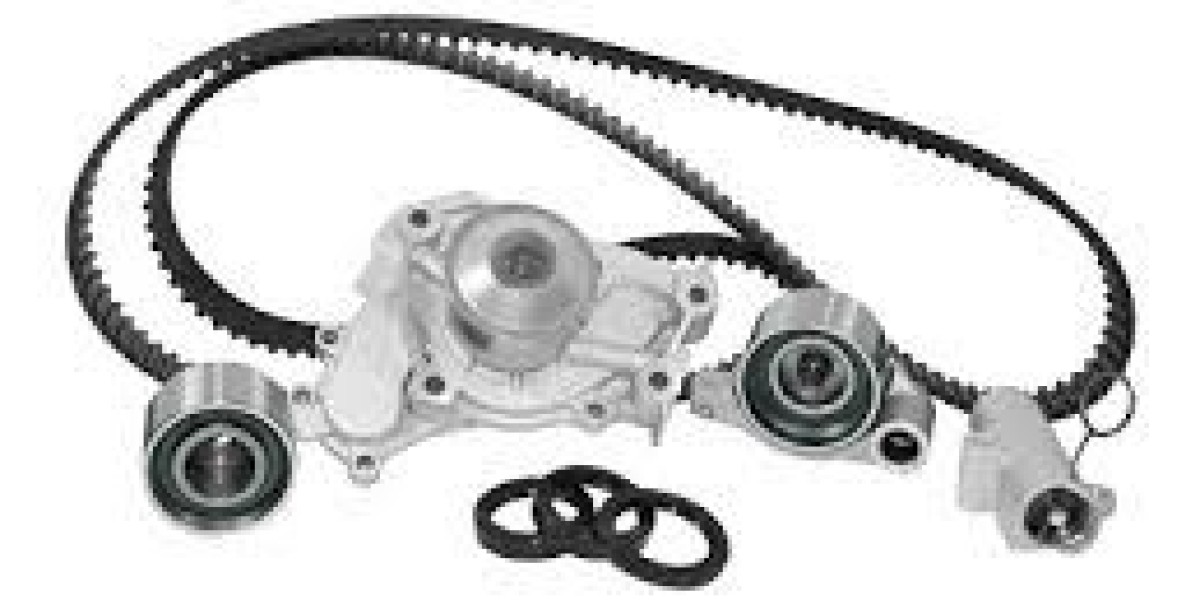
A common mistake in the automotive and industrial sectors is replacing only the belt while leaving old tensioners or water pumps in place. These components are designed to work as a synchronized unit. If a tensioner pulley develops a slight wobble or the bearing inside a water pump begins to seize, the new belt will experience uneven friction.
This friction creates heat, which weakens the high-tensile cords inside the belt. Integrated timing belt kits are the only logical solution to this problem. By replacing every moving part in the assembly at once, you eliminate the risk of a secondary component causing a primary failure just a few months later.
Identifying Structural Symptoms
How do you know when a kit is failing before the engine stops?
Chirping or Squealing: Often a sign that a tensioner bearing is drying out.
Engine Misfires: Indicating the belt has stretched enough to skip a tooth on the gear.
Visual Fraying: If the edges of the belt are wearing down, the tracking of the pulleys is misaligned.
For high-precision optoelectronic applications or heavy machinery, maintaining these tolerances is non-negotiable. A "stretched" belt changes the ignition timing, which increases fuel consumption and emissions—two things every modern business is trying to reduce.
The Role of Material Science in Durability
Modern kits now utilize EPDM (Ethylene Propylene Diene Monomer) instead of older synthetic rubbers. This material offers superior resistance to temperature extremes and chemical exposure. When selecting a supplier, checking the grade of the rubber and the precision of the metal pulleys is vital. In the B2B space, sourcing components that meet or exceed OEM standards ensures that your maintenance cycles remain predictable and your overhead stays low.
Conclusion
As a leading manufacturer and supplier, arvroptical.com provides precision-engineered timing belt kits. Our durable solutions ensure maximum engine life and peak industrial performance.