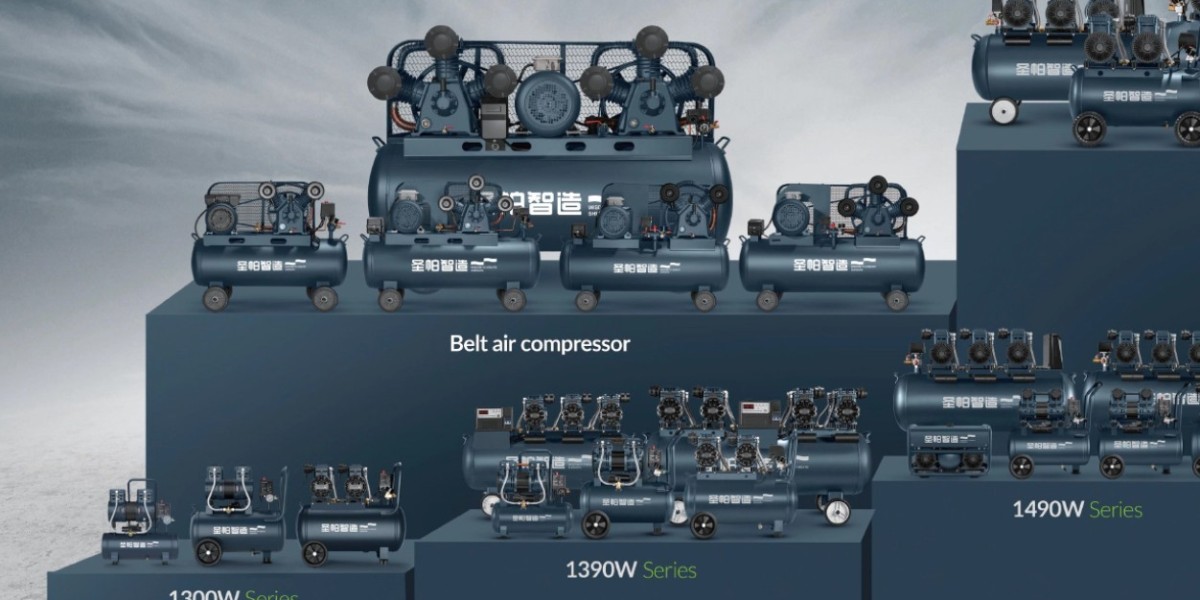
Air compressors are widely used in workshops, garages, and small industries, serving as a backbone for pneumatic tools and other equipment. Choosing the right type of compressor can significantly affect maintenance schedules and long-term performance. A Belt Driven Air Compressor is known for its ability to operate at varying speeds and reduce stress on the motor, which can be particularly beneficial in settings where continuous operation is required. Regular belt inspections and tension adjustments help ensure consistent performance and prevent early wear.
On the other hand, a Direct Driven Air Compressor offers a more compact and simple design, with fewer moving parts to maintain. Because the motor is directly connected to the pump, it generally produces less vibration and requires less frequent alignment checks. However, users should still monitor oil levels, temperature, and filter conditions to avoid potential performance issues.
When planning maintenance schedules, it is crucial to consider operational environment and workload. Dusty or humid conditions may require more frequent cleaning and lubrication. Both belt-driven and direct-driven compressors benefit from periodic inspection of hoses and fittings to prevent air leaks. Following these practices not only enhances reliability but also contributes to safety in the workplace.
Ultimately, selecting between a belt-driven or direct-driven compressor depends on your usage patterns and available space. While the belt-driven option provides flexibility in motor speed and reduced mechanical stress, the direct-driven design offers simplicity and compactness, making maintenance straightforward. Regardless of choice, consistent care and timely checks will ensure your air compressor serves efficiently over the long term.