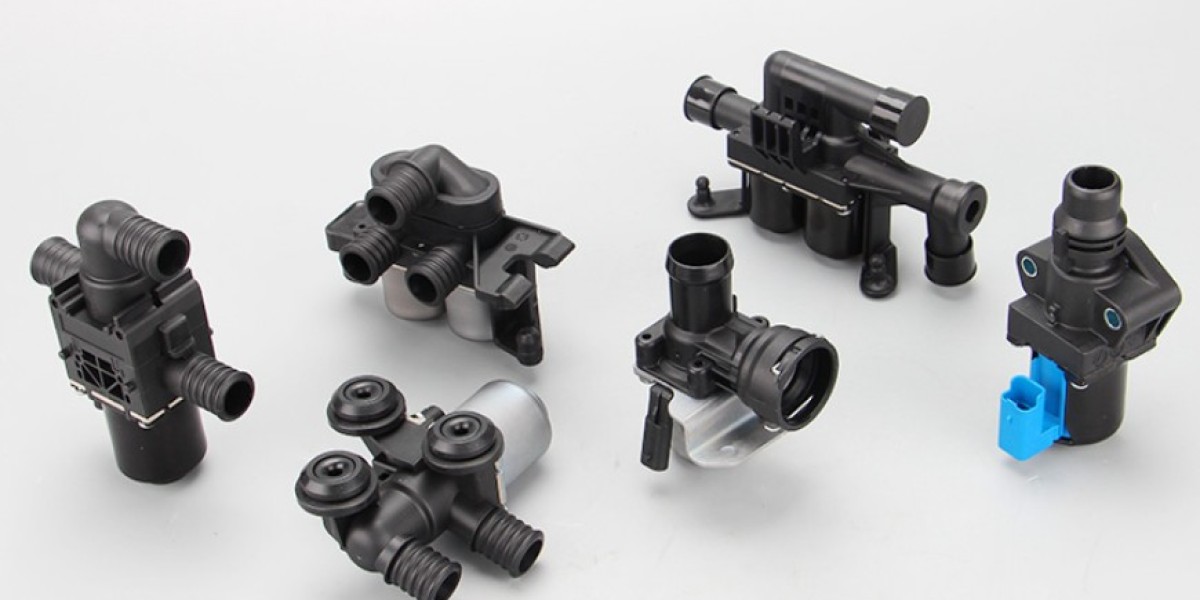
Solenoid valves are essential components in modern automotive systems, controlling the flow of fluids and gases to maintain engine performance and efficiency. Among these, the Automobile Solenoid Valve plays a key role in regulating fuel injection, emission controls, and other vehicle operations. These devices use electromagnetic signals to open or close, providing precise control over fluid movement without requiring manual adjustments.
In turbocharged engines, the Turbocharger Solenoid Valve is crucial for managing boost pressure. By controlling the flow of compressed air into the intake manifold, this valve helps prevent overboost and ensures smooth engine operation. Drivers may not notice the valve’s presence, but its function significantly affects acceleration responsiveness and fuel efficiency.
Routine maintenance and inspections are important to prevent issues such as sticking or leaking valves, which can lead to poor engine performance or increased emissions. Many vehicle owners report subtle changes, such as slower throttle response or uneven engine idle, as early signs of solenoid valve problems. Replacing a faulty Automobile Solenoid Valve or Turbocharger Solenoid Valve can restore optimal operation and prevent more significant engine issues.
Technicians often use diagnostic tools to monitor valve activity, checking for electrical signal irregularities and ensuring proper timing. While solenoid valves are small and sometimes overlooked, their contribution to modern automotive engineering is substantial, influencing both performance and reliability. Understanding their function can help drivers and mechanics make informed maintenance decisions and support longer vehicle lifespan.