Introduction to FEMA in India
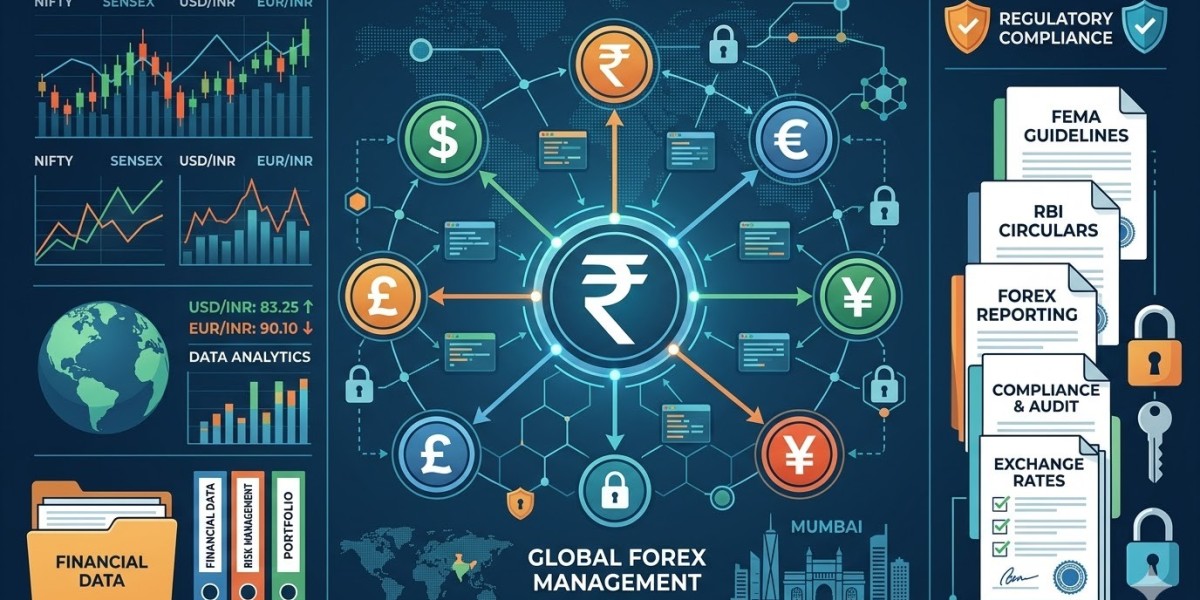
India’s financial system is deeply connected with global markets, and the movement of money across international borders plays a vital role in economic development. To regulate and manage these transactions, the Government of India introduced the Foreign Exchange Management Act, commonly known as FEMA. Over the years, this framework has evolved to meet changing financial needs, with the Foreign Exchange Management Rules, 2022 representing a major step toward simplifying overseas investments. So Understand FEMA Rules 2022 in simple terms with insights from a FEMA expert. Learn overseas investment, compliance, and key regulations in India.
FEMA was enacted in 1999 to replace the earlier Foreign Exchange Regulation Act, which was considered restrictive. The shift marked a transition from strict control to a more facilitative approach, enabling smoother cross-border trade and payments while maintaining economic stability.
Purpose and Importance of FEMA
The primary objective of FEMA is to facilitate external trade and payments while ensuring the orderly development and maintenance of India’s foreign exchange market. It creates a structured environment where individuals and businesses can engage in international financial activities without unnecessary complications.
FEMA also plays a crucial role in preventing illegal financial practices such as money laundering and unauthorized transfers. By ensuring transparency and accountability, the law helps protect the integrity of India’s financial system.
Overview of FEMA Rules 2022
The Foreign Exchange Management Rules, 2022, particularly those concerning overseas investment, have introduced greater clarity and flexibility. These rules are designed to align India’s regulatory framework with global standards, making it easier for Indian residents and entities to invest abroad.
In a rapidly globalizing economy, these updates are especially significant. Businesses are expanding beyond national borders, and individuals are increasingly participating in international investment opportunities. The 2022 rules support this trend while ensuring proper regulation.
Who is Covered Under FEMA
A key concept under FEMA is the classification of a “person resident in India.” The applicability of the rules depends on residential status, which determines the extent to which an individual or entity can engage in foreign exchange transactions.
Residents in India are generally permitted to invest overseas, remit funds, and hold foreign assets, but these activities must comply with guidelines issued by the Reserve Bank of India. These guidelines ensure that all transactions are lawful and properly monitored.
Types of Overseas Investment
The 2022 rules categorize overseas investments into two main types, providing a clear distinction based on the nature of investment and level of control.
Overseas Direct Investment refers to investments where an Indian entity or individual acquires control or a significant stake in a foreign business. This could involve setting up a subsidiary, entering into a joint venture, or acquiring an existing company abroad.
Overseas Portfolio Investment, on the other hand, involves investing in foreign securities without gaining control. This typically includes purchasing shares or financial instruments in international markets for investment purposes.
Key Compliance Requirements Under FEMA
FEMA emphasizes that all overseas investments must be made in bona fide business activities. This means the investment must be genuine, lawful, and permitted in both India and the host country. The rules also impose certain restrictions to safeguard national interest and prevent misuse.
One of the most important aspects of compliance is reporting. All foreign investments and transactions must be reported through authorized banking channels. This allows regulatory authorities to monitor foreign exchange flows and maintain transparency.
The framework also includes provisions related to approvals and No Objection Certificates. While many transactions are permitted under the automatic route, certain cases require prior approval from regulatory bodies. In some situations, individuals and companies must obtain clearance from lenders or authorities before proceeding with overseas investments.
Impact of FEMA on Individuals and Businesses
FEMA rules affect not only large corporations but also individuals in their everyday financial activities. For individuals, these rules govern transactions such as sending money abroad for education, investing in foreign stocks, or purchasing property outside India.
For businesses, FEMA plays a critical role in international expansion. It regulates activities such as setting up overseas subsidiaries, entering global markets, and raising foreign capital. By providing a clear regulatory framework, FEMA enables Indian businesses to operate confidently on a global scale.
Recent Changes and Liberalization
The 2022 rules reflect a more liberal and practical approach to foreign exchange management. By simplifying procedures and clearly defining categories of investment, the government has made it easier for Indian entities to participate in global markets.
These changes also reduce procedural delays and improve ease of doing business. As a result, Indian investors and companies now have greater opportunities to expand and diversify internationally.
Consequences of Non-Compliance
Despite the flexibility offered by FEMA, compliance remains essential. Any violation of the rules, whether intentional or accidental, can lead to financial penalties and legal consequences.
Failure to report transactions, exceeding prescribed limits, or engaging in unauthorized investments can attract regulatory action. Therefore, understanding and adhering to FEMA guidelines is crucial for avoiding complications.
Conclusion
The Foreign Exchange Management Rules, 2022 provide a modern and structured approach to managing cross-border financial activities. They strike a balance between enabling global investment and maintaining financial discipline within the country.
As India continues to integrate with the global economy, FEMA serves as a key regulatory pillar that supports growth while ensuring transparency and stability. For individuals and businesses alike, having a clear understanding of these rules is essential for making informed and compliant financial decisions.