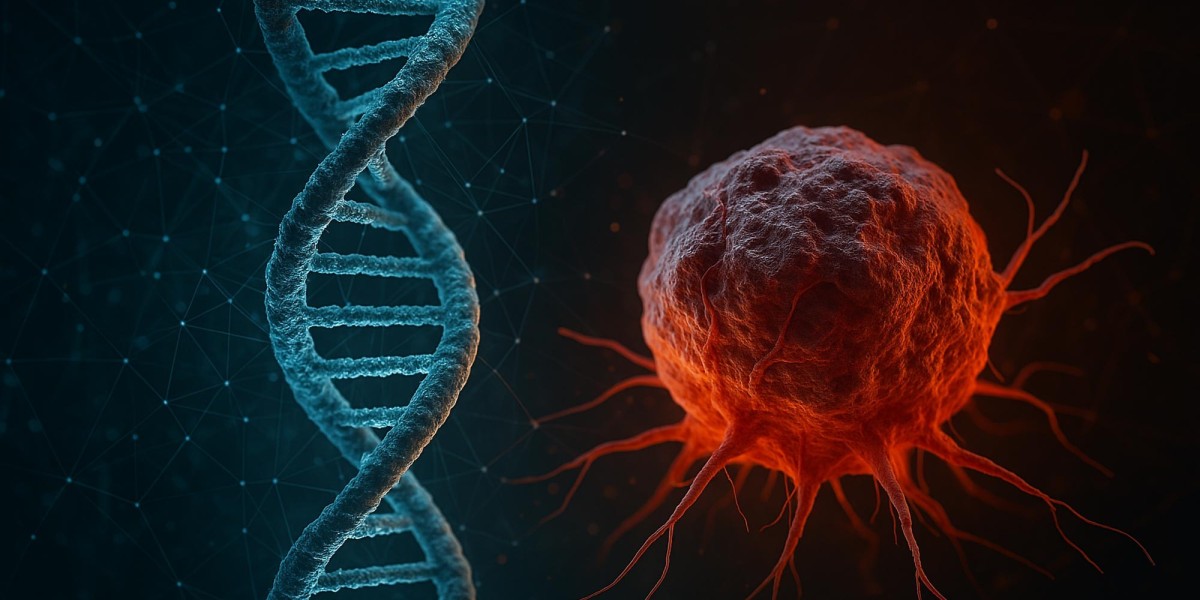
Cancer is fundamentally a genetic disease at its cellular level. Every cancer begins with changes in the DNA of a single cell. These genetic changes disrupt the normal controls that govern cell growth and division. Understanding genetics helps us understand both why cancer develops and how to prevent it.
The Genetic Basis of Cancer
Cancer arises from the accumulation of genetic mutations in somatic cells. Somatic mutations occur in non-reproductive body cells throughout a person's lifetime. They are not inherited by children but affect only the individual in whom they occur. Over time, a single cell can accumulate enough mutations to become cancerous through clonal expansion.
Not all mutations cause cancer equally. The most dangerous are those affecting proto-oncogenes and tumor suppressor genes. Proto-oncogenes promote cell growth and division when activated by signals. Mutations that permanently activate these genes create oncogenes that drive uncontrolled growth.
Oncogenes and Their Role in Cancer
Oncogenes are mutated versions of normal growth-promoting genes called proto-oncogenes. They act like stuck accelerators, driving cell proliferation regardless of normal cellular signals. RAS oncogenes are among the most frequently mutated genes found across all human cancers. Mutations in KRAS are particularly common in pancreatic, colorectal, and lung cancers.
HER2 is an oncogene amplified in approximately 20 percent of breast cancer cases. It encodes a receptor tyrosine kinase that drives rapid cell proliferation when overexpressed. The development of HER2-targeted therapies like trastuzumab revolutionized treatment for affected patients. Understanding oncogene biology has directly enabled the development of molecularly targeted cancer therapies.
Tumor Suppressor Genes
Tumor suppressor genes normally function as cellular brakes on uncontrolled growth. They produce proteins that slow cell division, repair DNA damage, and trigger apoptosis. Mutations that inactivate tumor suppressor genes remove these essential safeguards. Cancer typically requires inactivation of multiple tumor suppressors during its development.
The TP53 gene is the most commonly mutated tumor suppressor in all human cancers. It encodes the p53 protein, often called the guardian of the genome. Normal p53 halts cell division when DNA damage is detected and initiates repair. Mutant p53 allows cells with damaged DNA to continue dividing, accumulating further mutations.
Inherited Cancer Syndromes
While most cancers result from somatic mutations, some result from inherited genetic variants. These hereditary mutations are present in every cell of the body from birth onward. They significantly increase an individual's lifetime risk of developing specific cancers. Identifying these inherited mutations allows for life-saving prevention and early detection strategies.
BRCA1 and BRCA2 Mutations
BRCA1 and BRCA2 are tumor suppressor genes involved in DNA repair by homologous recombination. Inherited mutations in these genes impair the cell's ability to repair double-strand DNA breaks. This allows mutations to accumulate faster, dramatically increasing cancer development risk. Women with BRCA1 mutations face a lifetime breast cancer risk of 55 to 72 percent.
BRCA2 mutations carry somewhat lower breast cancer risk but still dramatically elevated rates. Both BRCA1 and BRCA2 mutations significantly increase ovarian cancer risk for women carriers. BRCA2 mutations also increase pancreatic cancer and male breast cancer risk substantially. Men with BRCA2 mutations face elevated prostate cancer risks, particularly for aggressive disease.
Lynch Syndrome and Mismatch Repair Genes
Lynch syndrome is the most common hereditary colorectal cancer syndrome in the world. It results from inherited mutations in DNA mismatch repair (MMR) genes like MLH1 and MSH2. MMR proteins correct errors that occur during normal DNA replication in dividing cells. When these proteins are absent, errors accumulate and drive cancer development rapidly.
Lynch syndrome increases lifetime colorectal cancer risk by 40 to 80 percent above baseline. Endometrial cancer risk is elevated to 25 to 60 percent in women with the syndrome. Other associated cancers include ovarian, gastric, urinary tract, and brain malignancies. Lynch syndrome diagnosis transforms surveillance strategies and treatment decisions for affected families.
Other Hereditary Cancer Syndromes
Many other hereditary cancer syndromes have been identified and characterized in recent decades. Li-Fraumeni syndrome involves germline TP53 mutations and dramatically increases multiple cancer risks. Familial adenomatous polyposis (FAP) is caused by APC gene mutations that cause colorectal polyps. Without preventive colectomy, virtually all FAP patients develop colorectal cancer by age 40.
Hereditary diffuse gastric cancer is caused by CDH1 gene mutations encoding E-cadherin protein. Affected individuals face an 80 percent lifetime risk of diffuse gastric cancer development. PTEN hamartoma tumor syndrome involves PTEN mutations and elevates breast and thyroid cancer risks. Each hereditary syndrome requires specific surveillance and risk reduction protocols personalized to the condition.
Somatic Mutations and Environmental Carcinogens
Most cancer-causing mutations arise in somatic cells throughout a person's lifetime. These acquired mutations result from both environmental exposures and random replication errors. The relative contribution of each cause varies by cancer type and individual circumstances. Both sources of mutation can be addressed through screening and lifestyle modification.
How Environmental Factors Cause DNA Mutations
Environmental carcinogens cause DNA mutations through direct chemical interactions. Tobacco smoke carcinogens form adducts on DNA bases, causing transcription errors. Ultraviolet radiation creates pyrimidine dimers in skin cell DNA that cause characteristic mutations. These signature mutation patterns help researchers identify the likely cause of individual cancer cases.
The concept of mutational signatures has transformed our understanding of cancer causation. Each carcinogen leaves a distinctive pattern of mutations in cancer genomes. Analyzing these patterns reveals the environmental and lifestyle history encoded in tumor DNA. This information guides prevention efforts and helps identify new carcinogenic exposures in populations.
Epigenetic Changes in Cancer Development
Cancer is not solely caused by DNA sequence mutations as originally believed. Epigenetic changes that alter gene expression without changing DNA sequence also drive cancer. DNA methylation, histone modification, and non-coding RNA changes are major epigenetic mechanisms. These changes can silence tumor suppressor genes or activate oncogenes without sequence mutations.
Epigenetic changes are influenced by diet, toxin exposure, stress, and aging over time. Crucially, unlike DNA mutations, epigenetic changes are potentially reversible with appropriate interventions. This reversibility makes epigenetic mechanisms attractive targets for cancer prevention and treatment. Dietary compounds like sulforaphane and resveratrol influence cancer-related epigenetic marks in promising ways.
Cancer Genomic Profiling in Clinical Practice
Modern oncology increasingly relies on comprehensive genomic profiling of tumors for treatment. Tumor genomic analysis identifies the specific mutations driving an individual patient's cancer. This information guides selection of targeted therapies matched to the tumor's molecular vulnerabilities. Genomic profiling has transformed outcomes for many cancer types over recent years.
Genetic Testing for Cancer encompasses both germline testing for inherited risk and somatic tumor profiling. Germline testing identifies inherited mutations that increase cancer risk across a patient's lifetime. Tumor profiling identifies actionable somatic mutations that can be targeted with specific drugs. Together, these testing modalities provide a complete genetic picture for affected patients.
Targeted Therapies Guided by Tumor Genetics
Targeted cancer therapies work by inhibiting specific molecular drivers identified in tumor DNA. EGFR-mutated lung cancer responds dramatically to EGFR tyrosine kinase inhibitors. BRAF-mutated melanoma responds to BRAF inhibitors with remarkable initial treatment responses. HER2-amplified breast and gastric cancers are effectively treated with anti-HER2 antibody therapies.
ALK fusion-positive lung cancer is now treated with potent ALK inhibitor drugs. These targeted agents achieve response rates of 70 to 80 percent in appropriately selected patients. Standard chemotherapy for the same patients achieves response rates of only 30 to 40 percent. The superiority of genomically-guided therapy over standard chemotherapy is now well-established.
Immunotherapy and Tumor Mutational Burden
Tumor mutational burden (TMB) is an emerging biomarker for immunotherapy response prediction. High-TMB tumors have many mutations that generate abnormal proteins called neoantigens. The immune system can potentially recognize and attack cells displaying these neoantigens. Immune checkpoint inhibitors unleash T-cells to target these neoantigen-bearing cancer cells.
FDA approval of pembrolizumab for all high-TMB solid tumors represents a landmark development. For the first time, a cancer therapy was approved based on a molecular marker alone. This tumor-agnostic approval demonstrates the power of genetic biomarkers in cancer treatment selection. The era of genetically-guided, tissue-agnostic cancer immunotherapy is now firmly established.
Genetic Counseling and Family Risk Assessment
Understanding cancer genetics extends beyond the individual patient to their entire family. First-degree relatives of mutation carriers face potentially elevated cancer risks. Genetic counseling helps families understand and navigate inherited cancer risk assessment. It bridges the gap between complex genetic information and practical medical decisions.
Genetic counselors are trained to communicate complex genetic concepts clearly. They assess personal and family history to estimate the probability of hereditary risk. They guide decisions about genetic testing and interpret results in clinical context. They also help patients cope with the psychological impact of genetic risk information.
Identifying a hereditary mutation in one family member enables cascade testing of relatives. Those who test positive can enter surveillance programs that detect cancers early. Those who test negative can be reassured that their risk is similar to the general population. Family-based genetic risk assessment multiplies the benefit of any single individual's genetic diagnosis enormously.