Healthcare has evolved significantly in recent years, and one of the most impactful innovations is telehealth services. By allowing patients to connect with healthcare providers remotely, telehealth is transforming how medical care is delivered. Compared to traditional clinic visits, telehealth offers greater convenience, accessibility, and efficiency. Let’s explore the top benefits of choosing telehealth services over conventional healthcare options.
What Are Telehealth Services?
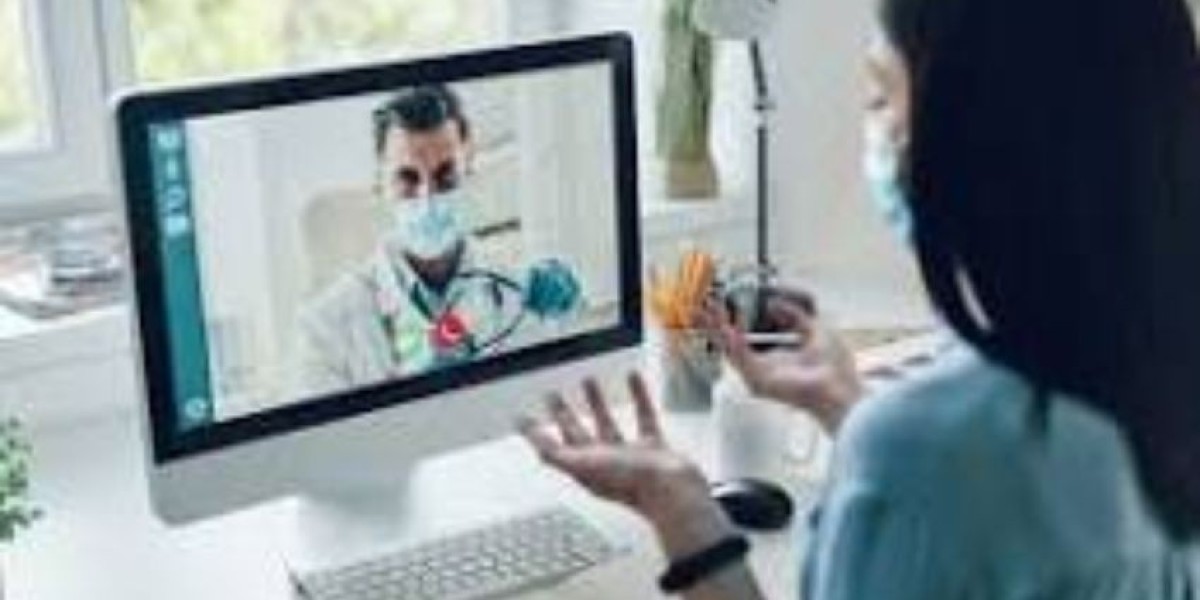
Telehealth services refer to the use of digital technology—such as video calls, mobile apps, and online platforms—to provide healthcare remotely. These services include virtual doctor consultations, follow-ups, mental health counseling, prescription management, and chronic disease monitoring.
Unlike traditional clinics, telehealth eliminates the need for physical visits, making healthcare more flexible and patient-friendly.
1. Convenience and Time-Saving
One of the biggest advantages of telehealth services is convenience. Patients no longer need to travel long distances, wait in queues, or take time off work for appointments.
With just a smartphone or computer, you can:
- Book appointments instantly
- Consult doctors from home
- Get quick medical advice
This time-saving approach is especially beneficial for busy professionals, parents, and elderly individuals.
2. Better Accessibility for Remote Areas
For people living in rural or underserved areas, access to quality healthcare can be limited. Telehealth services bridge this gap by connecting patients with qualified doctors regardless of location.
This ensures:
- Access to specialists not available locally
- Timely medical consultations
- Reduced need for travel to cities
Telehealth plays a crucial role in improving healthcare equity.
3. Cost-Effective Healthcare
Traditional clinic visits often involve additional costs such as transportation, parking, and higher consultation fees. Telehealth services are generally more affordable, making healthcare accessible to a wider population.
Patients can save money on:
- Travel expenses
- Lost work hours
- Repeated in-person visits
Many platforms also offer subscription-based plans for ongoing care.
4. Reduced Risk of Infections
Visiting a clinic or hospital increases the risk of exposure to infections, especially during flu seasons or pandemics. Telehealth services allow patients to receive care from home, minimizing contact with potentially sick individuals.
This is particularly important for:
- Elderly patients
- Individuals with weak immune systems
- People with chronic illnesses
Telehealth provides a safer alternative for routine consultations.
5. Faster Access to Medical Care
With telehealth services, patients can often get same-day or even immediate consultations. This reduces delays in diagnosis and treatment.
Quick access means:
- Early detection of health issues
- Faster prescriptions and treatment plans
- Improved health outcomes
In contrast, traditional clinics may require days or weeks to schedule appointments.
6. Continuous Monitoring and Follow-Ups
Telehealth makes it easier to stay connected with healthcare providers over time. Patients can have regular follow-ups without the hassle of visiting a clinic.
This is especially useful for managing:
- Diabetes
- Blood pressure
- Mental health conditions
Remote monitoring tools and apps help doctors track patient progress and make necessary adjustments to treatment plans.
7. Improved Patient Comfort and Privacy
Many people feel more comfortable discussing health concerns from their own homes. Telehealth services provide a private and relaxed environment for consultations.
This is particularly beneficial for:
- Mental health therapy
- Sensitive medical issues
- First-time consultations
Patients are more likely to open up, leading to better communication and care.
8. Access to Specialized Care
Through telehealth services, patients can consult specialists from different cities or even countries without traveling. This expands healthcare options and ensures better diagnosis and treatment.
You can easily connect with:
- Dermatologists
- Psychiatrists
- Nutritionists
- General physicians
This level of access is often not possible with local clinics alone.
9. Digital Records and Easy Management
Telehealth platforms often store medical records digitally, making it easier to track health history, prescriptions, and test results.
Benefits include:
- Easy access to past consultations
- Better coordination between doctors
- Reduced paperwork
This organized approach improves overall healthcare management.
10. Future-Ready Healthcare Solution
As technology continues to advance, telehealth services are becoming more sophisticated. With the integration of AI, wearable devices, and remote diagnostics, the future of healthcare is increasingly digital.
Telehealth is not just a temporary trend—it’s a long-term solution that complements traditional healthcare systems.
Conclusion
Telehealth services offer a modern, efficient, and patient-centered approach to healthcare. From convenience and cost savings to improved accessibility and safety, the benefits are clear.
While traditional clinics are still essential for certain treatments and emergencies, telehealth services provide an excellent alternative for routine care and consultations. Embracing this digital transformation can lead to better health outcomes and a more convenient healthcare experience for everyone.