The world of Indian ethnic fashion is vibrant, diverse, and deeply rooted in centuries of tradition. Among the many elegant ensembles that have gained popularity in recent years, the Sharara dress stands out as a timeless yet contemporary choice for women who seek to blend heritage with modern style. With its wide-legged silhouette, intricate embellishments, and graceful drape, this outfit has become a go-to option for festive gatherings, weddings, and cultural celebrations across the globe.
Originating from the Mughal era, the Sharara dress was once reserved for royalty and the elite. It was crafted from luxurious fabrics such as silk, velvet, and brocade, adorned with zari work, zardozi embroidery, and delicate mirror embellishments. Over time, this regal garment evolved and adapted to suit the contemporary Indian woman who values both comfort and elegance. Today, designers across the country and beyond have reimagined it in countless ways — incorporating fresh cuts, new fabrics, and modern embroidery techniques while staying true to its ethnic soul.
What makes the Sharara dress particularly special is its ability to suit a wide range of body types. The flared bottoms create a beautiful balance for women with broader shoulders, while the fitted kurta or short top paired with it adds structure and grace. The ensemble flows effortlessly with movement, making it an ideal choice for those who want to look dressed up without sacrificing comfort. Whether you're attending a mehendi function, a family celebration, or a festive puja, this outfit ensures you make a graceful impression.
When it comes to fabric choices, the options are virtually endless. Georgette Shararas are light and floaty, perfect for warmer weather or outdoor events. Velvet variants exude a rich, regal feel suited for evening events in cooler climates. Cotton and chanderi options provide breathability and ease for daytime occasions, while silk and raw silk Shararas offer that perfect lustrous finish for grander events. Each fabric carries its own charm, and the right choice depends on the occasion, season, and personal preference.
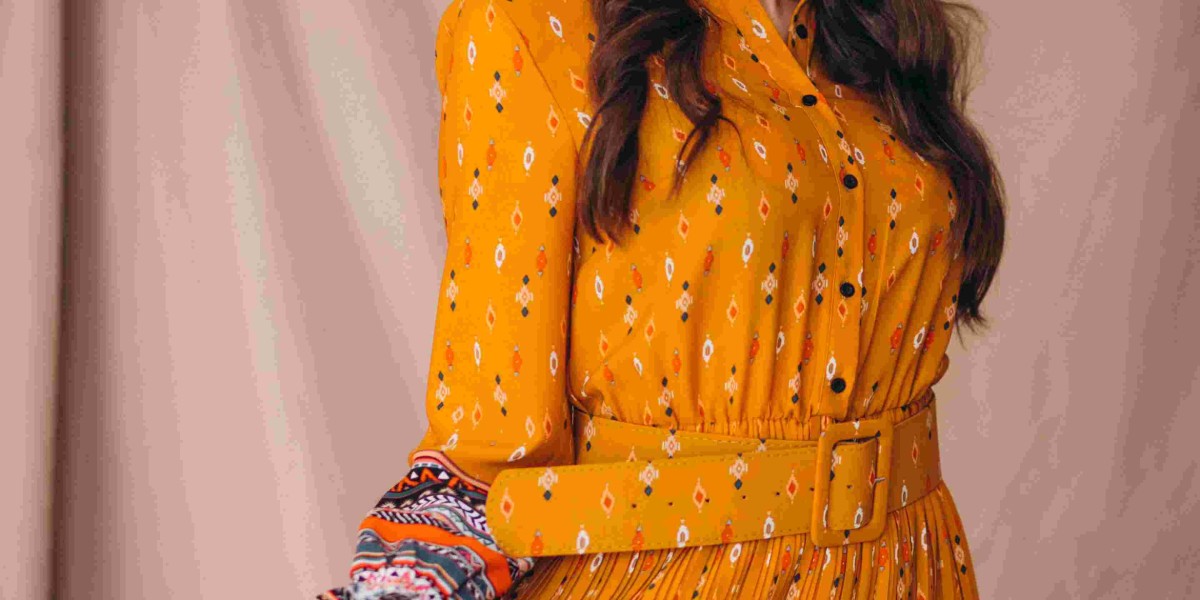
Embroidery and embellishments are what truly elevate a Sharara dress to an art form. Intricate chikankari work from Lucknow gives it a delicate, feminine touch. Heavy zardozi embroidery, originally brought to India by Persian craftsmen, adds a deeply ornate, regal quality to the ensemble. Phulkari-inspired patterns from Punjab bring vibrant colors and folk art traditions to the forefront. Mirror work from Rajasthan and Gujarat adds a playful, reflective shimmer that catches the light beautifully. Sequin work, threadwork, and gota patti embellishments round out the variety of decorative techniques that can be applied.
Color plays a crucial role in defining the mood and occasion-appropriateness of a Sharara dress. Traditional jewel tones such as deep maroon, royal blue, emerald green, and rich mustard exude a classic Indian aesthetic. Pastel shades like powder pink, mint green, and lavender are increasingly popular for daytime functions and summer weddings. Ivory and off-white options work beautifully as bridesmaids' attire or for those who prefer understated elegance. Black Shararas, once considered unconventional for festive wear, have gained significant popularity among younger women who appreciate a chic, bold aesthetic.
Styling accessories with a Sharara dress is an art in itself. Jhumkas — traditional Indian drop earrings — are a classic pairing that never goes wrong. Layered necklaces or a single statement piece can dramatically elevate the look. Maang tikas, nath (nose rings), and bangles or kadas add to the traditional appeal. The choice of footwear can also transform the entire look — heeled juttis for a fusion feel, classic mojris for an authentic ethnic touch, or block heels for added height and comfort. A potli bag or embroidered clutch completes the ensemble with a touch of festive charm.
The beauty of the Sharara dress lies in its versatility as a canvas for regional craftsmanship. From the intricate thread work of Uttar Pradesh to the bold bandhani prints of Gujarat and Rajasthan, from the delicate kalamkari motifs of Andhra Pradesh to the rich Banarasi brocade patterns of Varanasi — every region of India has contributed its unique textile heritage to this beloved silhouette. Wearing one is, in many ways, a celebration of India's artistic diversity.
Modern designers have also experimented with fusion interpretations of this classic outfit. Asymmetric hemlines, cape-style kurtas paired with Shararas, cold-shoulder tops with flared bottoms, and even corset-style blouses worn with wide-leg Sharara pants have all become popular variations. These modern touches allow younger women to embrace the ethnic aesthetic while staying in tune with global fashion sensibilities.
For those shopping for the perfect outfit, it is essential to consider the occasion, the level of embellishment needed, and the fabric that will work best for the setting. A heavily embroidered ensemble may be more appropriate for wedding events, while lighter, more minimal options can work for casual festive occasions. Customization from trusted designers or boutiques ensures the perfect fit and personalized detail, making the garment truly one's own.
In conclusion, the Sharara dress is far more than just a fashion choice — it is an expression of cultural pride, artistic appreciation, and feminine elegance. Its journey from royal courts to contemporary runways speaks volumes about its enduring appeal. Whether you choose a heavily embellished bridal version or a simple yet stunning everyday variant, this iconic ensemble promises to make every woman feel like royalty. Embrace the timeless charm of the Sharara dress and celebrate the rich tapestry of Indian ethnic fashion with every step you take.