Construction projects in the modern age are getting bigger and more complex each day. Construction projects require greater power, faster communications and reliable systems that are able to accommodate the future expansion. The most crucial aspects of any construction project is the way we manage and secure underground cables.
Communication and electrical cables are essential to every manufacturing, building, and infrastructure system. If these cables aren't adequately protected, they could be damaged by pressure from the soil or water loads. Damage to cables could lead to electrical failures, security risks and costly repairs.
This is the reason builders utilize the duct bank system. This type of system offers an organized, secure and long-lasting solution to set up underground cables. It helps protect cables, and also makes their maintenance simpler. In this article we will discuss the purpose of duct bank system and how they function with their benefits, as well as their importance for construction projects of today.
What Is a Duct Bank System?
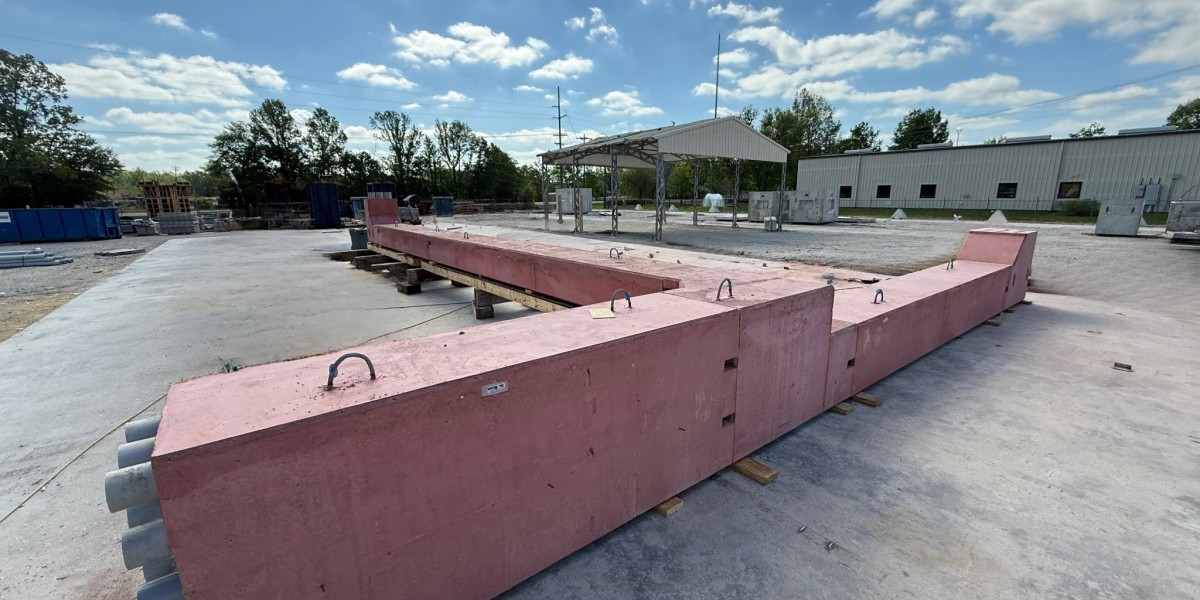
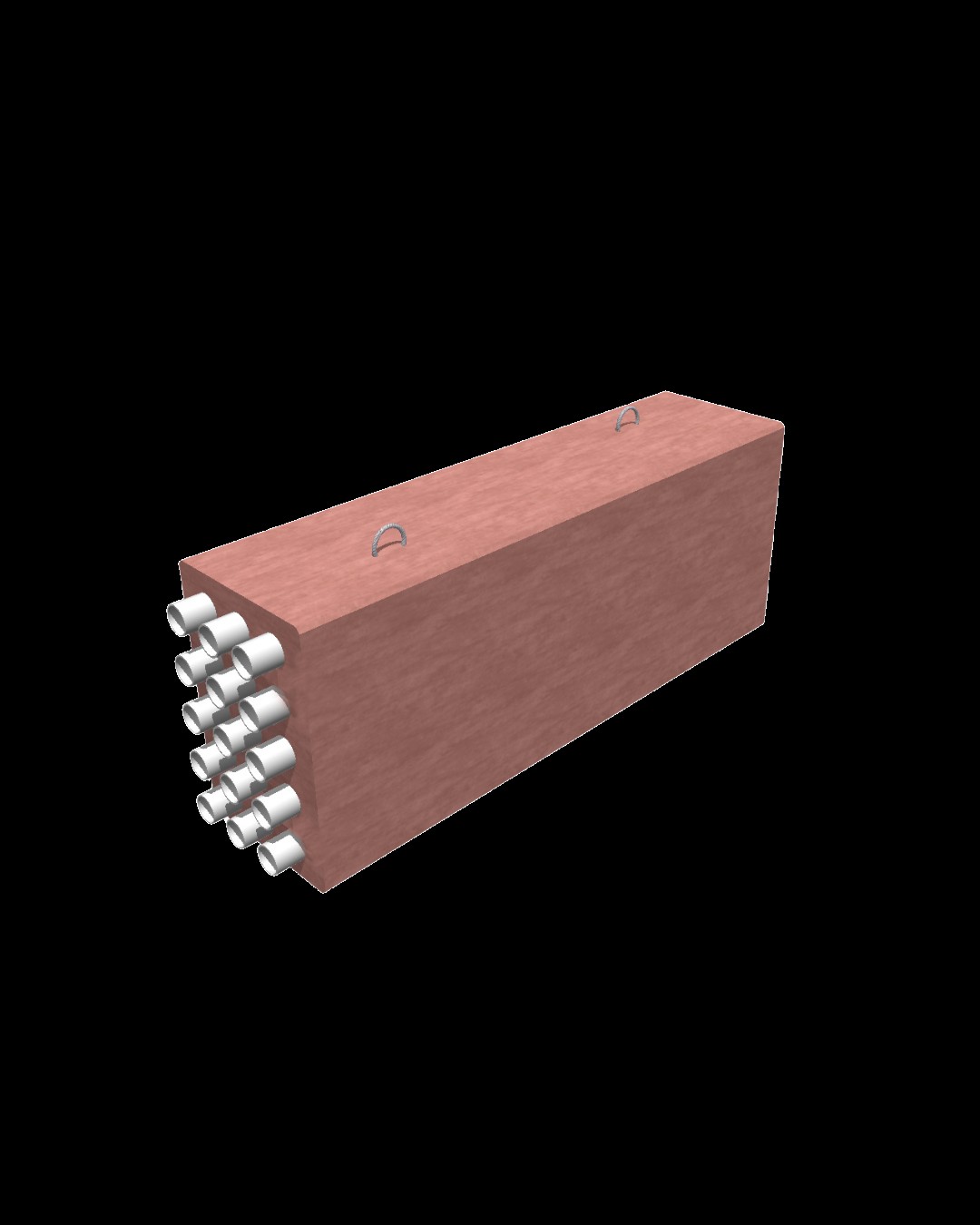
A duct bank is a set of conduits that are installed beneath the ground to carry electrical and communications cables. They are generally constructed out of materials such as PVC, HDPE, or steel.
Most often workers cover their conduits in concrete. This concrete encasement improves the durability and protects cables from harm. The conduits are set up in layers and rows, according to the amount of cables required.
Instead of putting cables directly into the soil, construction companies utilize duct banks to create a well-organized and secure path. This method increases safety, organization and overall performance.
How Duct Bank Systems Work
Duct banks work by creating a sturdy underground route for cables. The system helps keep cables secure and organized, while allowing for easy access to them when they are required.
Here's how it operates:
- Excavation The workers dig trenches through which the duct bank is put in place.
- Conduit arrangement: They place conduits in the trench and arrange them according to a plan-of-action.
- Spacing and Support: Workers utilize spacers to ensure that the conduits are evenly apart and properly aligned.
- Reinforcement (if required): Steel bars could be added to give extra strength.
- Concrete encasement Workers pour concrete over the conduits in order to build solid structures.
- Curing It hardens the concrete and strengthens over time.
- Backfilling The workers fill in the trench using soil in order to complete the job.
This creates a sturdy and safe structure that shields cables from external harm.
Types of Duct Bank Systems
Each project requires different kinds of banks for ducts. Builders pick the system they prefer based on the size of the project, budget, and site conditions.
Cast-in-Place Duct Banks
Construction workers construct these duct banks directly on site. They put conduits into the trench and then pour concrete over them.
- Excellent for custom designs
- Flexible enough for layouts with complicated layouts
- It requires more time and effort.
Precast Duct Bank Systems
Factories produce precast duct bank sections, and take them to the place of installation. Workers can install them quickly.
- Fast installation
- Accuracy and high quality
- There is less work on-site
Direct Burial Systems
This method lets workers put conduits directly into the ground, without any concrete enclosure.
- Lower cost
- Faster installation
- A lesser amount of protection than concrete systems.
Benefits of Duct Bank Systems
Strong Protection for Cables
Duct bank systems offer excellent security to underground cables.
- Concrete shields cables from the rigors of high loads and pressure on soil.
- Conduits are protected from corrosion and water.
- The system lowers the risk of failure or damage.
This ensures reliability for a long time.
Organized Cable Layout
Duct bank systems ensure that cables are neatly organized.
- Workers are able to place various cables in different conduits.
- It is simpler to locate and control cables.
- The system eliminates confusion and chaos.
A well-organized workplace improves effectiveness and helps reduce the risk of errors.
Easy Maintenance and Expansion
Maintenance is much simpler with banks that duct.
- Workers are able to access cables without digging huge areas.
- They are able to replace damaged cables swiftly.
- They may also add new cables if they are needed.
This flexibility enables future upgrades and minimizes time to repair.
Improved Safety
Security is a top aspect of construction projects. Duct bank systems increase security in a variety of ways:
- They lower the risk of electrical injuries.
- They shield cables from physical harm.
- They are able to separate cable from underground utility cables.
A efficient duct bank system that is designed to be well-designed creates a an environment that is safer for all.
Long-Term Durability
Duct bank systems are designed to last.
- Concrete encasement provides strong support.
- Conduits resist environmental damage.
- The system is capable of handling harsh conditions and large loads.
Due to their durability due to this, duct bank systems need less maintenance over time.
Supports Modern Infrastructure Needs
Modern buildings require spread footing that can handle huge amounts of data and power. Duct bank systems meet these requirements.
- They can also carry several cables simultaneously.
- They permit future expansion without any major modifications.
- They meet the latest construction standards.
This is why they are ideal for today's complicated projects.
Common Applications
Duct bank systems are utilized in a variety of construction projects.
Commercial Buildings
Shopping centers, office buildings and business complexes utilize conduit banks to handle communications and electrical cables.
Industrial Facilities
Facilities and factories need robust systems to safeguard cables for power and control.
Infrastructure Projects
Airports, bridges, roads and railways depend on duct banks to ensure safe utility management.
Utility Networks
Data and power distribution systems as well as power distribution centers rely on duct banks to ensure solid cable routing.
Installation Tips
To achieve the highest quality outcomes, contractors must follow these steps:
- Be careful: Design the system in accordance with the current and future requirements.
- Choose high-quality material: Choose strong conduits and concrete that lasts.
- Maintain the proper spacing Spacers are used to ensure conduits are aligned.
- Verify the alignment of conduits: Ensure conduits are straight and are correctly put in place.
- Use safety guidelines: Meet all local rules and regulations.
Proper installation ensures long-term success.
Challenges and Solutions
Duct bank systems provide a lot of advantages, but they face some issues.
High Initial Cost
Materials and concrete encasements can raise the cost of construction.
Solution: Focus on long-term savings due to durability and lower maintenance.
Complex Installation
The process needs careful planning and skilled employees.
Solution: Use precast systems to make installation easier.
Limited Flexibility After Installation
Making modifications later could be a challenge.
Solution: Plan for future expansion at the time of design.
In addressing these issues builders can obtain the most benefit from the duct bank system.
Future of Duct Bank Systems
Duct bank systems are getting better by incorporating new technologies and materials.
- The precast system is becoming sought-after for speedier installation.
- New materials are enhancing strength and endurance.
- Smart systems can allow for more efficient surveillance and monitoring.
These improvements will make the duct banks even better in coming years.
Conclusion
Banks for ducts are a crucial component of contemporary construction projects. They offer a secure reliable, well-organized, and long-lasting method of managing underground cables. By securing the communication and electrical lines they increase safety, decrease maintenance and enhance long-term performance.
They are utilized in industrial facilities, as well as large infrastructure projects. Their ability to safeguard cables and help support growth makes them a good option for any project.
For engineers and builders selecting a duct bank system is about choosing security, reliability and effectiveness. In today's rapidly growing construction industry banks for ducts are not only beneficial, but essential.