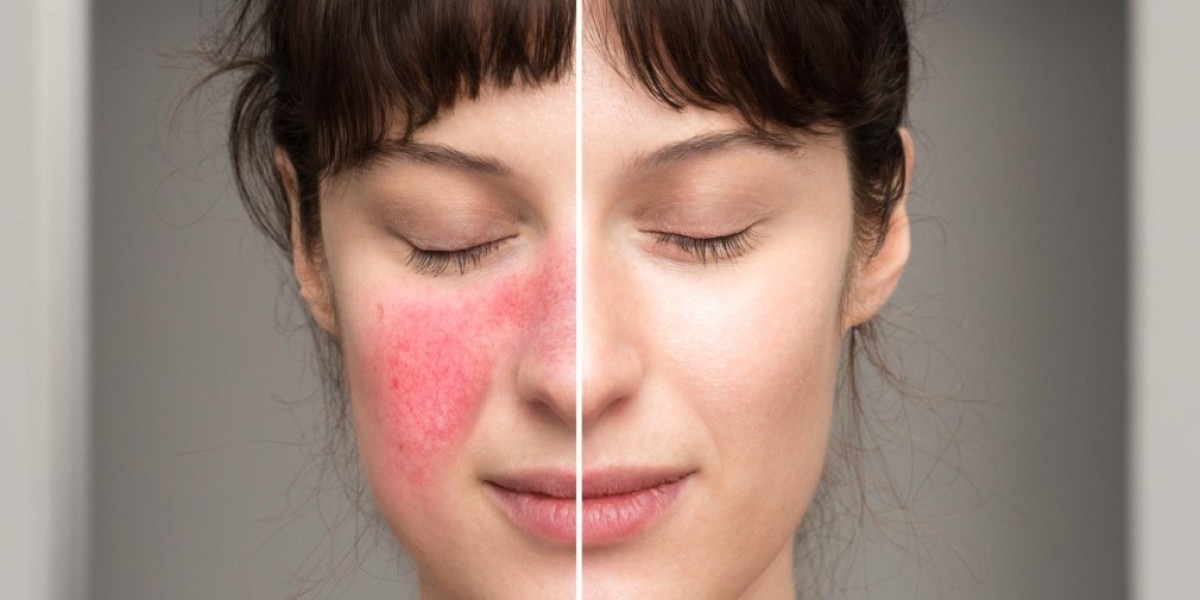
Rosacea is a common skin condition that affects many individuals, often leading to redness, visible blood vessels, and sometimes small bumps on the face. For those seeking Rosacea In Manchester, understanding the causes, triggers, and available treatments is essential for managing this condition effectively. SLA Medical Clinic offers specialized care for patients experiencing rosacea, providing tailored treatment options to help restore skin confidence and comfort.
What is Rosacea?
Rosacea is a chronic inflammatory skin condition primarily affecting the facial area, particularly the cheeks, nose, forehead, and chin. Unlike temporary redness from sunburn or blushing, rosacea tends to be persistent and can worsen over time if left untreated. Symptoms can vary from mild flushing to more pronounced swelling, visible blood vessels, and acne-like bumps.
Causes of Rosacea
While the exact cause of rosacea remains unclear, several factors contribute to its development. Understanding these causes can help individuals better manage their symptoms.
Genetic Predisposition
Rosacea often runs in families, suggesting a genetic link. Individuals with a family history of rosacea may be more susceptible to developing the condition.
Immune System Factors
Some research indicates that an overactive immune response can trigger inflammation in the skin, leading to rosacea symptoms.
Vascular Abnormalities
Rosacea can involve dysfunction in the blood vessels of the face, resulting in prolonged flushing and persistent redness.
Microorganisms
Certain microorganisms, such as the Demodex mite that lives on the skin, may play a role in aggravating rosacea symptoms by triggering inflammation.
Common Triggers of Rosacea
Even though rosacea cannot be cured completely, identifying and avoiding personal triggers can significantly reduce flare-ups.
Environmental Factors
- Extreme temperatures, hot weather, or wind can exacerbate rosacea symptoms.
- Sun exposure is a common trigger, making daily sun protection crucial.
Dietary Triggers
Certain foods and beverages, like spicy foods, alcohol, and hot drinks, may provoke flare-ups in some individuals.
Emotional and Physical Stress
Stress, anxiety, and even exercise can lead to temporary redness or flare-ups.
Skin Care and Cosmetic Products
Harsh skin care products, exfoliants, and heavy cosmetics can irritate sensitive skin and trigger rosacea symptoms.
Medications
Certain medications that dilate blood vessels, such as topical steroids, may worsen rosacea in susceptible individuals.
Treatment Options for Rosacea in Manchester
SLA Medical Clinic offers a variety of treatment options tailored to individual needs, focusing on reducing inflammation, controlling redness, and preventing flare-ups.
Topical Treatments
Medicated creams and gels containing ingredients such as metronidazole, azelaic acid, or ivermectin can reduce inflammation and redness.
Oral Medications
For more persistent or severe cases, oral antibiotics like doxycycline can help manage inflammation and control symptoms.
Laser and Light-Based Therapies
Advanced treatments like pulsed dye laser (PDL) or intense pulsed light (IPL) therapy target visible blood vessels, reduce redness, and improve skin texture.
Skincare Guidance
Proper skincare is essential. Using gentle cleansers, moisturizers designed for sensitive skin, and broad-spectrum sunscreen can minimize irritation and prevent flare-ups.
Lifestyle Adjustments
Identifying personal triggers, maintaining a balanced diet, and managing stress can play a crucial role in long-term symptom management.
When to Seek Professional Help
If you experience persistent facial redness, swelling, or bumps that resemble acne but do not respond to standard skincare, it may be time to consult a specialist. SLA Medical Clinic provides professional assessment and personalized treatment plans for individuals seeking Rosacea in Manchester, ensuring safe and effective care.
Conclusion
Managing rosacea involves understanding its causes, identifying personal triggers, and seeking effective treatment. With the right combination of medical therapies, skincare routines, and lifestyle adjustments, it is possible to control symptoms and improve skin appearance. For those seeking dedicated care for Rosacea in Manchester, SLA Medical Clinic offers expertise and advanced treatments to help patients achieve healthier, calmer skin.