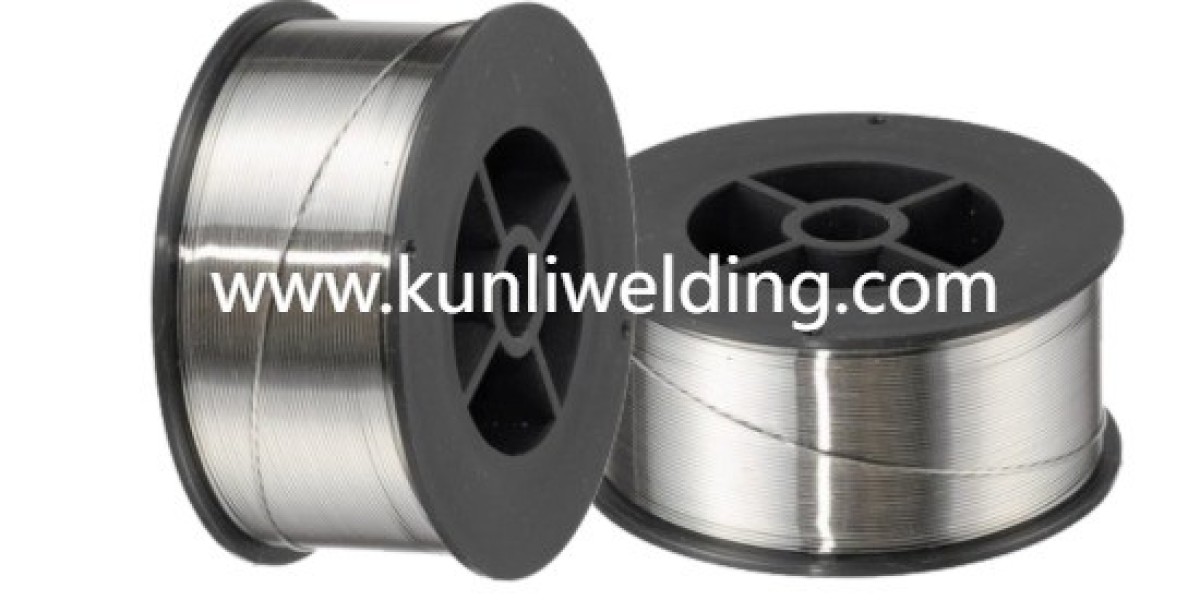
Achieving structural excellence in modern manufacturing requires a focus on the integrity of every component. As global industries transition toward lighter, more efficient designs, the importance of selecting the right filler metal has never been more significant. In the current industrial landscape, China Aluminum Alloy Wire Manufacturers provide the foundational materials necessary to support these advancing technical requirements. These wires are specifically engineered to match the mechanical properties of the base alloys, ensuring that every connection is as resilient as the surrounding structure.
High performance Aluminum Alloy Welding Wire plays a vital role in specialized sectors such as marine engineering and automotive assembly. Unlike traditional steel joining, working with aluminum presents unique challenges such as high thermal conductivity and a natural oxide layer that can interfere with the bond. A quality wire must possess precise chemical characteristics to manage these factors effectively. When the wire melts, it must flow predictably into the joint to create a smooth and uniform bead. This consistency is what allows fabricators to meet the rigorous demands of modern infrastructure projects while avoiding common defects that could compromise safety.
Proper storage is the most effective way to maintain the performance and cleanliness of your filler metals. Environmental moisture is a primary threat, as it can lead to hydrogen absorption on the wire surface, resulting in porosity during the welding process. To prevent this, it is recommended to store spools in a temperature controlled area with low humidity. Keeping the material in its original sealed packaging until use protects it from dust and atmospheric contaminants that could otherwise degrade the quality of the arc.
Beyond moisture control, physical handling standards must be observed to prevent the transfer of oils or salts from the skin to the metal surface. Technicians should use clean gloves and ensure that storage racks are located away from grinding stations where metallic particles might settle on the spools. Maintaining a vertical storage orientation also prevents the wire from shifting, which ensures geometric stability and consistent feeding through the torch. These preventative measures are essential for achieving a high standard of craftsmanship in any professional workshop.
The transition toward sustainable manufacturing also influences the selection of these materials. Aluminum is prized for its ability to be recycled without losing its primary qualities. Using a clean and verified Aluminum Alloy Welding Wire helps reduce waste during the production phase by minimizing spatter and rework. When a technician can achieve a successful bond on the first attempt, the overall energy consumption of the project decreases. This focus on efficiency aligns with broader goals of resource conservation and responsible industrial growth.
Achieving a successful outcome in metalwork is a combination of technical skill and high standard components. By focusing on rigorous storage protocols and proper material selection, companies can ensure their projects are built to last. Reliability in the supply chain means that these critical materials are available to support the next wave of innovation in construction and transport. Utilizing a verified Aluminum Alloy Welding Wire remains a cornerstone of professional craftsmanship in the modern era. You can find a range of specialized solutions and technical support for your fabrication needs by visiting https://www.kunliwelding.com/ which offers the resources necessary to help you reach your goals.