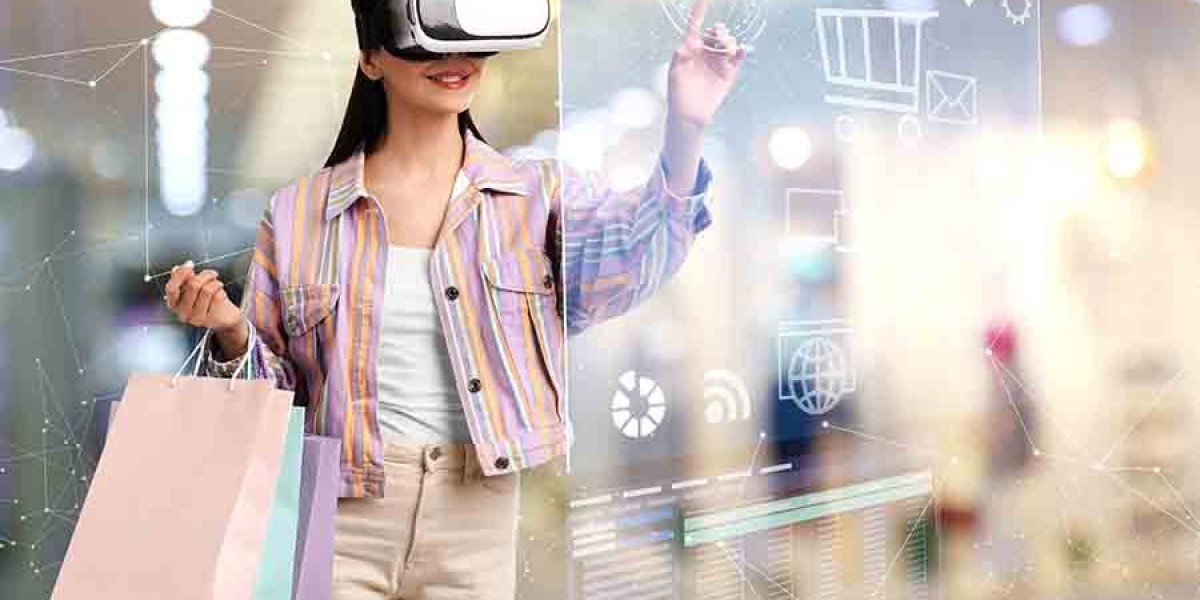
Shopping is no longer limited to aisles and checkout counters. Today's consumers expect experiences that blend convenience with immersion, and that is exactly where virtual reality in retail is making its mark. At TechBlocks, we see VR not as a gimmick but as a practical tool that bridges online ease with in-store tangibility.
Why Retailers Are Turning to Immersive Tech
Physical stores face rising rents and limited shelf space, while e-commerce struggles with the simple problem of not being able to touch a product. Virtual reality in retail solves both challenges by creating digital showrooms where customers can walk, browse, and interact as if they were present. Early adopters in fashion, furniture, and beauty report longer session times and stronger purchase intent after adding VR experiences.
Key Benefits of Virtual Reality in Retail
1. Try Before You Buy, Without Inventory
Customers can try on jackets, test makeup shades, or place a sofa in their living room at true scale. This reduces hesitation and builds confidence.
2. Personalized Store Journeys
VR environments adapt to shopper behavior. A first-time visitor might see a guided tour, while a loyal customer gets curated recommendations based on past purchases.
3. Lower Returns and Higher Satisfaction
When expectations match reality, returns drop. Brands investing in virtual reality in retail report higher engagement because shoppers spend time exploring rather than scrolling.
4. Data You Cannot Get in Aisle Three
Every gaze, pause, and interaction is measurable. Retailers learn which displays attract attention and which products are picked up but not purchased.
Real-World Applications You Can See Today
- Virtual Fitting Rooms: Apparel brands let users create avatars with accurate measurements to test fit and style combinations.
- Home Visualization: Furniture retailers offer room-scale walkthroughs where customers swap colors, textures, and layouts instantly.
- Flagship Stores in Headsets: Luxury labels launch limited-edition drops inside fully branded VR boutiques, accessible globally on launch day.
- Training for Staff: Store associates rehearse merchandising and customer service in simulated environments before the floor opens.
How TechBlocks Powers Immersive Commerce
Implementing virtual reality in retail does not require building headsets from scratch. TechBlocks provides end-to-end solutions, from 3D product modeling and Unity-based store builds to integration with Shopify, Magento, and custom POS systems. We focus on lightweight WebVR experiences that work on mobile and desktop, plus full VR for Meta Quest and Apple Vision Pro. Our approach keeps load times under three seconds and ensures accessibility for shoppers without expensive hardware.
What Comes Next
The future of virtual reality in retail will blend AI personalization, haptic feedback, and social shopping. Imagine two friends meeting in a virtual sneaker store from different cities, co-designing a pair, and checking out in one tap. As 5G and spatial computing mature, these moments will feel as natural as browsing Instagram today. Retailers who test now will own the playbook later.
Virtual reality is not replacing physical retail. It is extending it, making discovery more human, more visual, and more memorable. TechBlocks helps brands make that shift without complexity.
FAQs
1. What is virtual reality in retail?
It is the use of VR headsets or web-based 3D environments to let customers browse stores, try products, and interact with brands in an immersive digital space that mimics physical shopping.
2. Do customers need expensive VR headsets to shop?
No. Most TechBlocks experiences run in a browser on phones or laptops. Headsets like Meta Quest enhance immersion but are optional for core features like 3D try-ons.
3. Which industries benefit most from VR?
Fashion, beauty, furniture, electronics, automotive, and luxury goods see the fastest ROI because visualization directly influences purchase decisions.
4. How much does it cost to build a virtual store?
Costs vary by catalog size and interactivity. A basic WebVR showroom starts at a fraction of a physical pop-up build, while full custom flagships scale with features. TechBlocks offers modular packages to match budgets.
5. Will VR replace physical stores?
Not entirely. VR complements brick-and-mortar by driving discovery online, reducing sampling costs, and bringing remote customers into the brand world. The best results come from blending both channels.