In the world of manufacturing, precision is key. Whether you're assembling machinery, automotive parts, or intricate devices, the need for flawless connections is paramount. One tool that stands out in ensuring these connections are made with accuracy and efficiency is the press fit tool. This specialized tool has revolutionized the assembly process, offering both speed and accuracy while reducing the risks of human error. In this article, we’ll explore the role of the press fit tool, its applications, benefits, and why it is a must-have in modern manufacturing processes.
What is a Press Fit Tool?
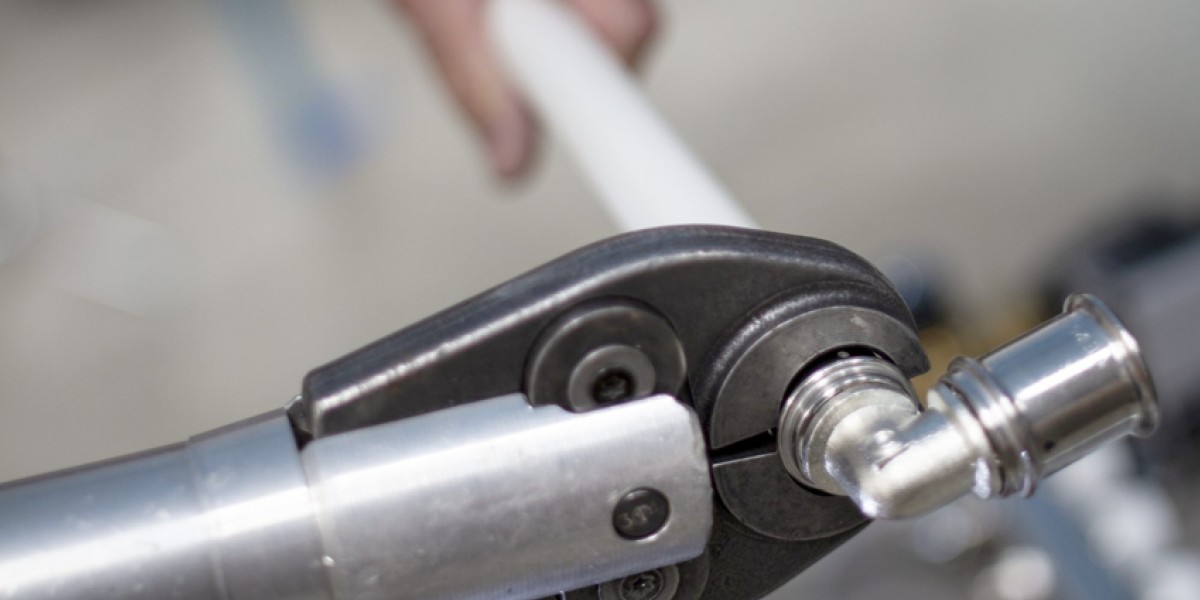
A press fit tool is a mechanical device used to assemble two parts by forcing one component into another, using pressure to create a tight, friction-based fit. This process is commonly referred to as "press fitting." The tool applies controlled pressure to a part, typically a bearing, bushing, or shaft, into its corresponding hole or housing. The result is a secure, interference fit where the components are held together without the need for welding, soldering, or the use of adhesives.
This technique is ideal for parts that must remain in place under high stress or in dynamic environments, where permanent or semi-permanent fastening methods are required. The press fit tool comes in various forms, from manual devices to sophisticated hydraulic systems, depending on the scale and nature of the task.
The Mechanics Behind Press Fitting
At the core of the press fitting process is the idea of interference fit. This occurs when the diameter of one part is slightly larger than the hole into which it’s being inserted. When the press fit tool applies force, the component being inserted is compressed slightly as it enters the hole, creating a tight bond that resists movement. This interference fit provides strength, durability, and security to the components, making press fitting ideal for parts that need to stay in place without the risk of loosening over time.
Applications of the Press Fit Tool
Press fit tools are versatile and used across various industries, especially where high precision is necessary. Some of the key applications include:
1. Automotive Manufacturing
In automotive assembly, press fit tools are used to install components like bearings, bushings, gears, and shafts into engines and transmission systems. These parts must fit precisely to function properly, ensuring smooth operation and long-term durability under constant movement and vibration. Press fitting provides a quick and efficient way to install these critical components.
2. Electronics Assembly
In electronics, press fit tools are employed to connect connectors, pins, and sockets into printed circuit boards (PCBs). The precision required in electronic assembly makes press fitting ideal, as it ensures strong electrical connections while minimizing the risk of damaging delicate components.
3. Aerospace
Aerospace applications require exacting standards, and press fitting meets those demands by allowing manufacturers to install bushings, fasteners, and other components in aircraft and space vehicles with high accuracy. The components must not only fit well but also withstand extreme conditions like pressure, temperature variations, and vibrations.
4. Medical Devices
Medical devices often require press fit tools to securely fasten components like implants, catheters, and valves. Precision and sterility are paramount in this industry, and the press fit method provides a secure and reliable solution to keep components in place without the need for soldering or adhesives.
The Benefits of Using a Press Fit Tool
The press fit tool is not only an efficient and precise tool; it also offers several advantages that make it invaluable in modern manufacturing:
1. Speed and Efficiency
One of the standout features of the press fit tool is its ability to perform fast, high-volume assembly tasks. With the tool applying pressure uniformly, parts can be inserted quickly, minimizing downtime and speeding up the production process. Automated press fit machines can be set to handle large-scale production without sacrificing accuracy, making them ideal for industries with high-volume demands.
2. Consistency and Precision
Press fitting ensures a consistent fit across multiple components, which is crucial for industries like automotive and aerospace, where tight tolerances are critical. By using a press fit tool, manufacturers can ensure that each component is inserted to the exact specifications required for optimal performance, reducing the chances of defective parts or mismatched assemblies.
3. Reduced Risk of Damage
Unlike methods that involve heat or adhesives, the press fitting process is gentle on the parts being assembled. There is no risk of thermal distortion, and the components aren’t exposed to the chemical risks of adhesives. This results in less waste, fewer defects, and a more reliable product.
4. Cost-Effectiveness
Press fit tools can be more cost-effective in the long term. Though the initial investment in high-quality press fit machinery can be significant, the efficiency and accuracy they provide often lead to lower labor costs and reduced rework, which pays off over time. Furthermore, the press fit process eliminates the need for additional fastening materials like adhesives or welds, cutting down on material costs.
5. No Need for Post-Processing
With press fit technology, the need for additional post-processing steps is minimized. The parts are securely fitted in place without requiring secondary operations such as welding, brazing, or curing. This streamlines the entire manufacturing process, saving both time and money.
Choosing the Right Press Fit Tool for Your Needs
There are several types of press fit tools available on the market, each designed for specific needs. Choosing the right tool depends on several factors, including the size of the components, the material being used, and the scale of the production process.
- Manual Press Fit Tools: Suitable for small-scale applications or maintenance tasks, these tools are simple to use and ideal for low-volume production.
- Pneumatic Press Fit Tools: These tools use compressed air to provide controlled pressure, making them more efficient for moderate-scale operations. They are commonly used in industries like electronics and automotive manufacturing.
- Hydraulic Press Fit Tools: For high-volume or heavy-duty tasks, hydraulic press fit tools are the go-to option. They provide immense pressure and are perfect for large-scale operations where precision and speed are essential.
- Automated Press Fit Machines: Used in high-production environments, these machines are equipped with advanced controls and sensors that ensure the highest levels of precision and efficiency.
Conclusion: The Importance of the Press Fit Tool
In today’s fast-paced manufacturing world, precision and efficiency are non-negotiable. The press tool offers both, ensuring parts are securely and accurately assembled without the need for complex post-processing or the risks associated with other fastening methods. Whether you're working in automotive, aerospace, medical devices, or electronics, the press fit tool is an essential piece of equipment that helps deliver quality products on time, every time.
By investing in the right press fit tool, manufacturers can improve their production processes, reduce costs, and enhance the durability and performance of their products. The press fit tool isn’t just a tool—it’s a vital component of modern manufacturing that ensures precision, reliability, and efficiency in every assembly.